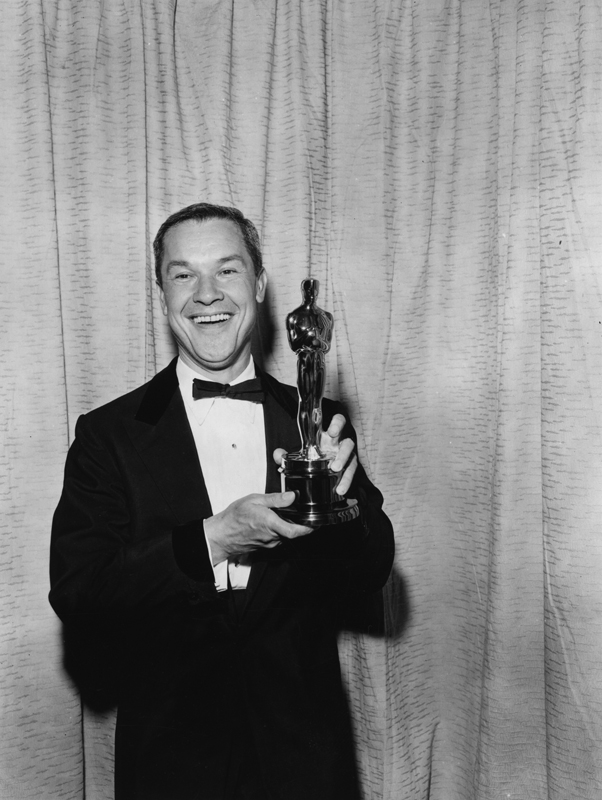
JEAN LOUIS: HOLLYWOOD’S BOMBSHELL DESIGNER

There are certain images that seem to belong to everyone.
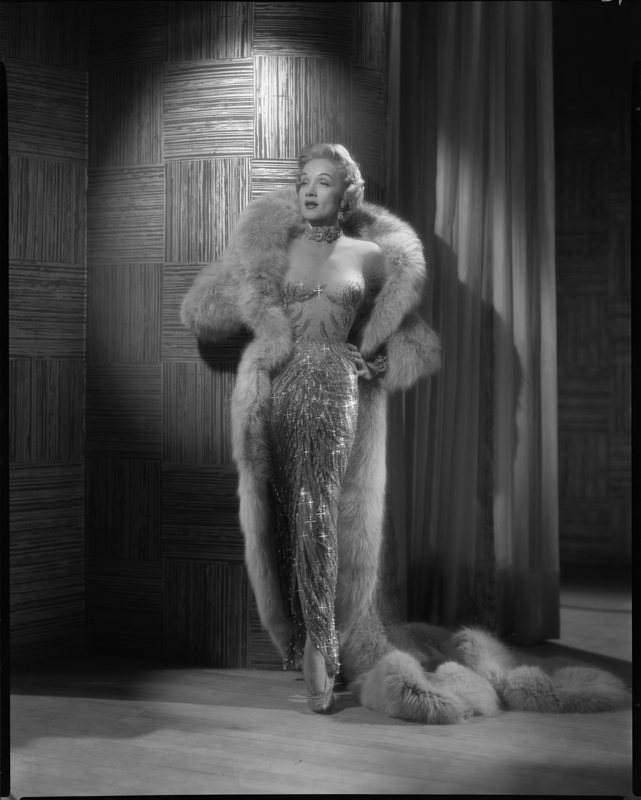
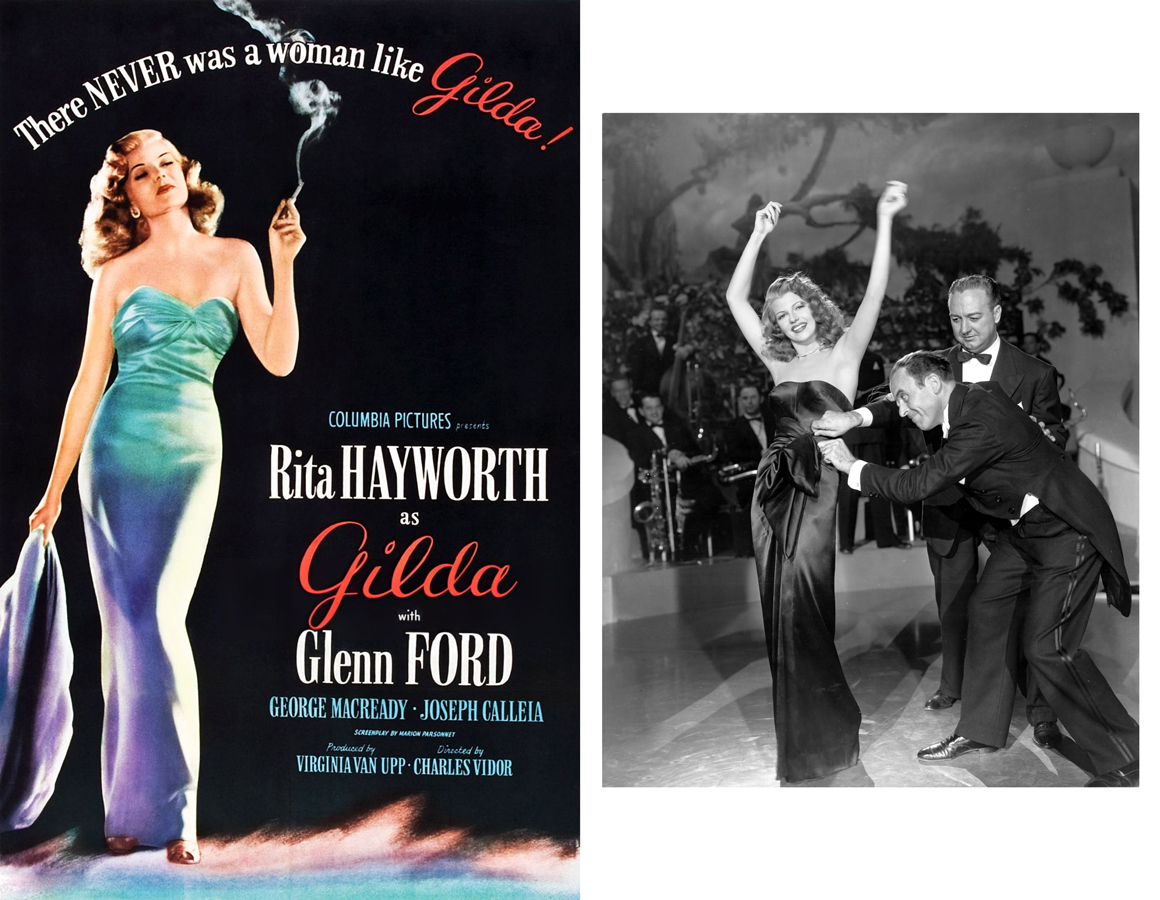
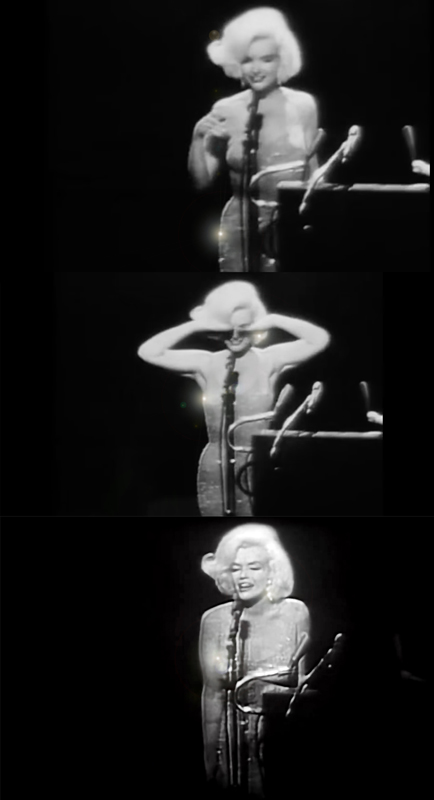
Rita Hayworth in Gilda, framed in black satin. Marilyn Monroe, shimmering in crystals beneath the lights of Madison Square Garden. Marlene Dietrich onstage in soufflé silk, beaded to look like nothing at all. These images have been reproduced, referenced and reimagined so many times that they can feel as though they have always existed.
Behind them was a designer whose name is far less familiar than the women he dressed: Jean Louis.
Born Jean Louis Berthault in Paris and trained in couture, he brought a remarkable understanding of construction and silhouette to Hollywood. He spent seven years at Hattie Carnegie in New York before moving to California, where he became head designer at Columbia Pictures in 1944, remaining there for roughly fifteen years. Over the course of his career he worked on 188 films and won an Academy Award for Best Costume Design for The Solid Gold Cadillac (1956). For most of that time he was a studio employee, producing at a rate no couturier would recognize.
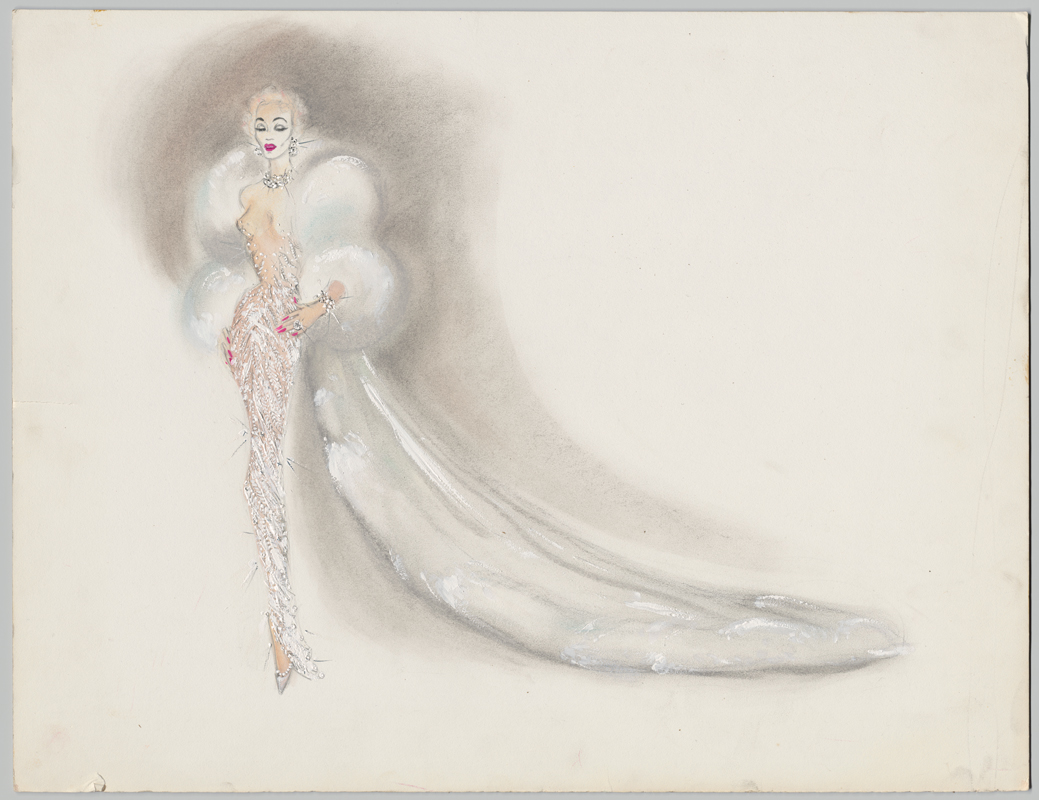
The seemingly effortless black satin gown in Gilda was built around a molded plastic structure that allowed Hayworth to move and perform. For Salome, he created a flesh-toned body suit that allowed her to appear nude beneath layers of veils. And for Marilyn Monroe’s famous 1962 performance, thousands of crystals were sewn onto silk dyed to her exact skin tone. She stood while the dress was sewn onto her body.
Long before “naked dressing” became a familiar fashion trope, Jean Louis was finding ways to make the suggestion of nudity more powerful than nudity itself.
He was working inside two sets of constraints, and only one of them was professional.
Jean Louis was a gay man working in Hollywood at a time when his private life required discretion, while his professional life involved creating some of the most potent images of female sexuality in American cinema. He worked within the restrictions of the studio system and the Production Code, finding ways to suggest what could not always be shown.
There is something fascinating in that tension: a designer whose own identity had to remain partially concealed became a master of revealing and concealing the identities of others.
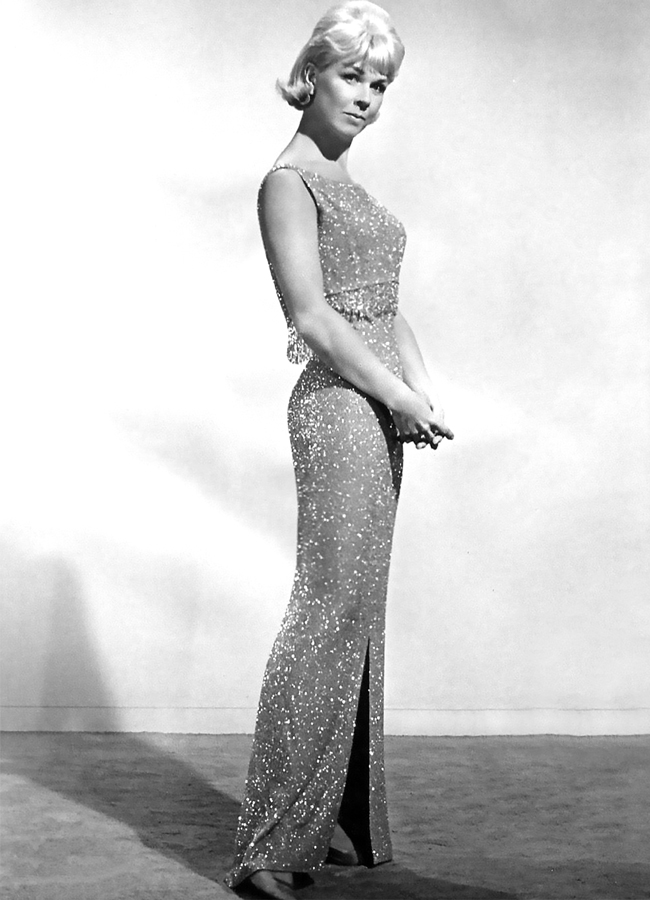
The women he dressed were collaborators, not mannequins. Doris Day turned down a design because she did not recognize herself in it. Loretta Young learned to tell him not what she wanted to wear but how she wanted to feel. Both were doing the same thing, and he was listening: a woman asking for a dress is usually asking for something harder to name.
That complexity drew brothers Roger and Mauricio Padilha to Jean Louis. The Padilhas have spent their careers on artists whose influence outlived their names, including Stephen Sprouse, Antonio Lopez, Richard Bernstein and Chris von Wangenheim. Their new Rizzoli book, Jean Louis: Hollywood’s Bombshell Designer, with a foreword by Kim Novak, took them through all 188 films, along with sketches, photographs, archives and correspondence.
He was as good as any designer working in America in those years, and better than most of the ones we remember. He built images that could stand without him, and they did.
And decades later, we are still looking.
ROGER & MAURICIO PADILHA
Interview by Marc Sifuentes
The Obsession
You’ve spent much of your career documenting artists whose influence is bigger than their name recognition. What was it about Jean Louis that made you think, there’s a book here?
We thought that it was extraordinary that a designer behind what are arguably the two most famous gowns in history, Hayworth’s Gilda gown and Monroe’s Happy Birthday dress, was so highly referenced in pop culture but remained virtually unknown, while his peers such as Edith Head and Adrian were canonized by the Hollywood history machine. Jean Louis was a truly great designer, but because he worked for Columbia Pictures, which was a lot smaller than the Big Five golden age studios, MGM, Paramount, Warner Brothers, 20th Century Fox and RKO, his work was featured in films that didn’t have the distribution or budgets to become Hollywood classics.
You watched all 188 films associated with his career. What was that experience actually like? Was there a point when research became obsession?
This was a different research experience than most of our other books. We really had to rely on studying his work, as most of the people who knew him or worked with him are deceased. That said, many of the films he worked on are highly underrated, and we got to watch wonderful films that we normally wouldn’t have, so it was a really fun experience.
When you look at Jean Louis alongside the other major designers working in Hollywood at the time, where do you think he was genuinely different?
We’d argue that JL is the most fashion-based costume designer. He worked at the couture houses at the epicenter of fashion design in Paris before coming to the US and working at Hattie Carnegie, which was one of the most influential ready-to-wear companies at the time. So he came from a fashion background and brought a very different design eye to costumes than his peers.
The Work
The engineering behind some of his clothes is extraordinary: the structure beneath the Gilda gown, the flesh-toned body stocking in Salome, the skin-toned silk and crystals of Marilyn’s famous dress. Was Jean Louis’s genius as much about engineering as it was about design?
One hundred percent. Jean Louis seemed to understand that no matter how fantastic his designs were, if the women wearing them didn’t feel beautiful and secure, the effect would be lost. There is a lot of engineering going on underneath his designs, which are actually much simpler and unadorned than the designs of his peers, because he felt it was more important for the actresses wearing them to feel confident. He was a proponent of that adage that a fashionable woman wears the clothes instead of the clothes wearing her.
He was working under the Production Code, when Hollywood had to suggest sex without necessarily being able to show it. Did the restrictions of the Code push Jean Louis to be more inventive?
Yes. It was such a complicated time in history, as the studio heads and film producers wanted the women onscreen to be highly fetishized, yet the Hays Code limited what could actually be seen. So JL was caught in the middle of these demands and restrictions and had to suggest rather than show. His designs always seem ladylike, but there is always an element of subversiveness behind them that comes through.
The Women
The women Jean Louis dressed weren’t simply passive recipients of his vision. Some trusted him completely, while others pushed back. What did you discover about the relationship between Jean Louis and the women he dressed?
We think that his training in the couture houses of Paris, dressing some of the richest women in the world, really helped him deal with the egos and idiosyncrasies of the Hollywood actresses he would later work with. By all accounts he was the most charming man, and he spent a lot of time with the actresses on the film sets and off, so by the time he had to design the final outfits he had established a rapport and trust with the stars that was invaluable. So much so that when an actress was loaned to another studio to work on a film, many would insist that JL be permitted to work outside of Columbia and design for these outside projects.
Loretta Young once said that she learned never to tell Jean Louis what she wanted to wear, but instead to tell him how she wanted to feel. What does that tell us about the way Jean Louis approached a woman as his client?
Again, this is just further proof that his design philosophy was really rooted in the confidence his designs inspired in the women wearing them. He knew that a woman couldn’t look beautiful if she didn’t feel beautiful.
Doris Day turned down one of his designs because she wasn’t comfortable in it. What happened when a woman told Jean Louis, “That’s not me”?
This was a rare occurrence with JL and his stars, and it usually came about when a star had a very strong established image before working with him, such as Joan Crawford or Doris Day. They would be skeptical when working with a new designer, but he usually won them over. In Day’s case, JL’s work on Pillow Talk transformed her from the girl next door into a modern fashion icon, so whatever misgivings she may have initially had were eclipsed by the career surge that role gave her, and she trusted him implicitly on their next few films together.
Marlene Dietrich was famously exacting about her clothes, yet she developed such a strong creative relationship with Jean Louis. How much of the final image belonged to the woman herself, and how much belonged to Jean Louis?
That collaboration was instrumental to both of them. Dietrich was as much of a fashion designer as she was an actress, and she understood exactly how to project the image of herself she had created. Asking JL to design her cabaret costumes meant that she saw his greatness and thought he understood that image. She was notoriously picky about who she worked with, so working with JL for seventeen years meant something.
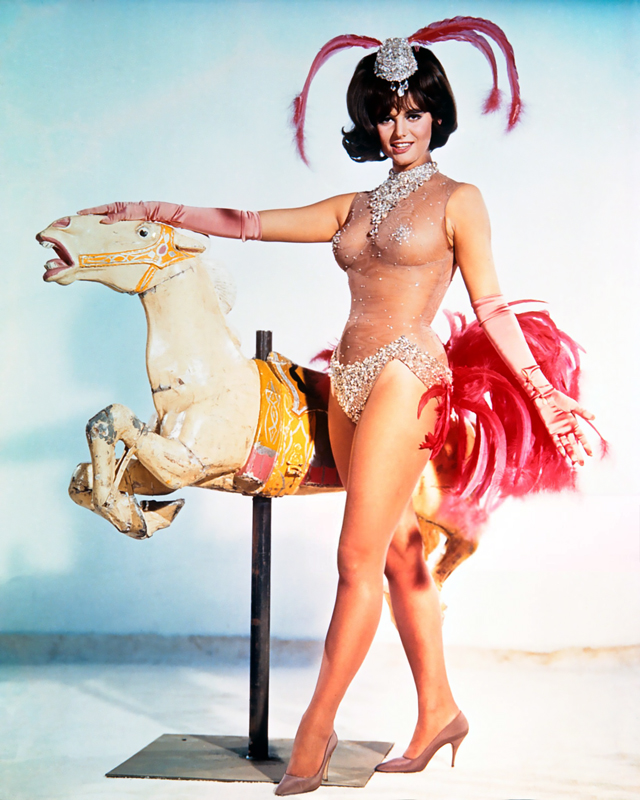
The Man Behind the Clothes
You’ve described Jean Louis as having a “subversive edge.” Where do you see that most clearly?
Certainly the dress he designed for Marilyn Monroe’s appearance at JFK’s birthday is the most subversive. A simple sheath designed to make Monroe look naked, in a political arena that would be televised and watched by the entire country, is, in our opinion, the most rebellious statement ever made in fashion history.
Jean Louis was a gay man working in Hollywood at a time when his private life required discretion. How do you think that shaped his experience of Hollywood, both personally and professionally?
We think it enormously shaped his design work. He understood the power of image, of projecting a facade to gain power, and how to use clothing to say the unsaid.
Jean Louis and Loretta Young had been friends and collaborators for decades before they married in 1993, after his wife Maggy died in 1989. What did their relationship tell you about Jean Louis that you couldn’t have learned from the clothes?
That he was fiercely beloved by his friends. Young met JL when he first moved to Hollywood, so their relationship spanned forty years.
Jean Louis married Loretta Young in August 1993. He was 85, she was 80. His wife Maggy, who had died four years earlier, had been Young’s close friend for more than fifty years, and Young had been wearing his clothes since the 1950s, when he made the gowns she swept through the door in each week on television. The marriage surprised almost everyone who knew them. Asked about it by Daily Variety, Young said only that they had known each other for so long, and that when something is right it simply slips into place.
The Images
Let’s talk about Gilda. That black satin gown has become almost bigger than the film itself. After everything you discovered about its construction and the circumstances around it, do you see that image differently now?
That gown is a marvel in restraint and the sexiest non-sexual garment ever made. The pairing of the JL gown with Hayworth’s charisma and the choreography of that scene just came together in such an explosive way that still reads today when you watch it.
The Legacy
The gowns themselves have now developed lives of their own. Marilyn’s dress, for example, sold for $4.8 million in 2016 and was worn by Kim Kardashian on the Met Gala carpet decades after Monroe wore it. What does it do to a designer’s legacy when the garment becomes more famous, and more valuable, than either the film or the man who created it?
It’s such a testament to JL’s work. Of course we understand that a lot of that dress’s value came from being worn by Monroe and the circumstances around it, but many of Monroe’s iconic garments sold for way less, so a lot of its value does come from the design itself. Monroe was redefining her 1950s image at this point and aligning herself with the cultural shift of the 1960s, so that dress works on so many different levels. It’s just genius.