JEAN LOUIS: HOLLYWOOD’S BOMBSHELL DESIGNER

There are certain images that seem to belong to everyone.

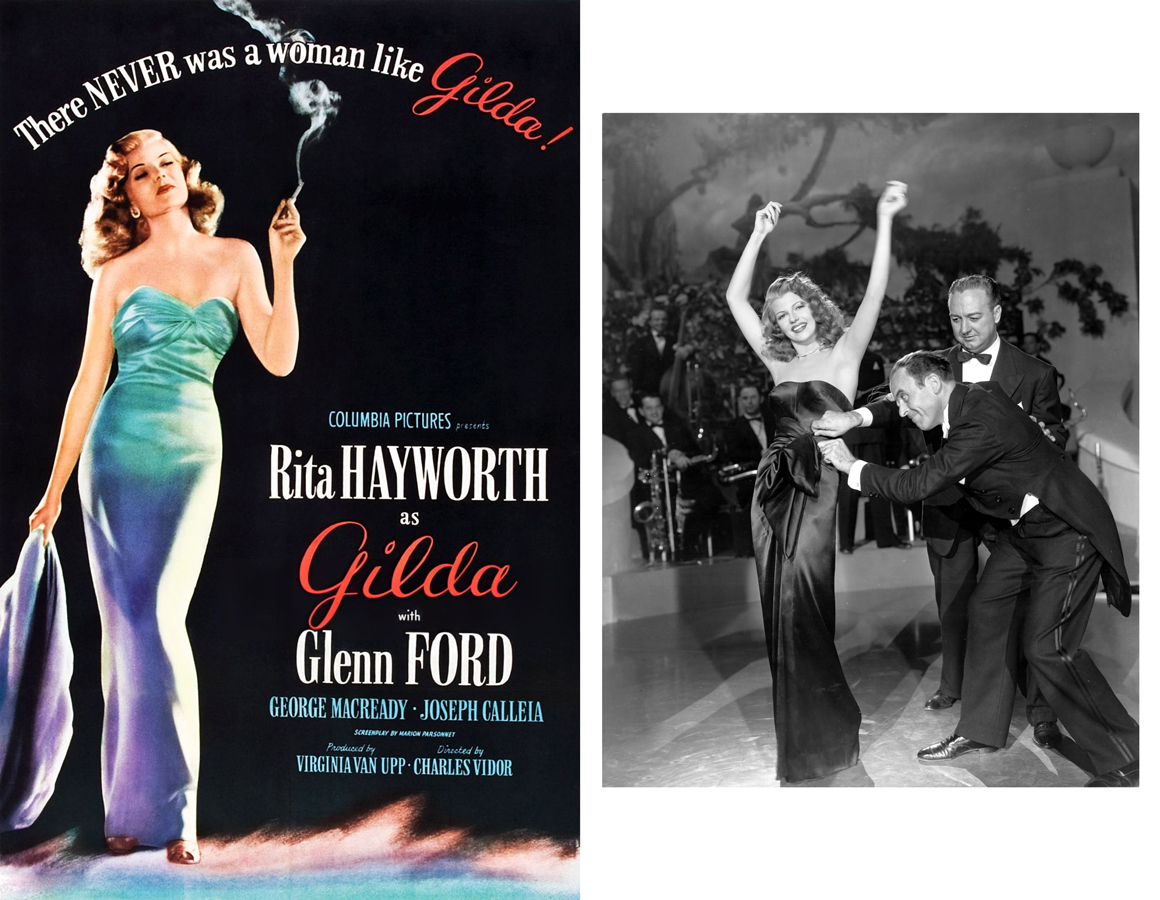
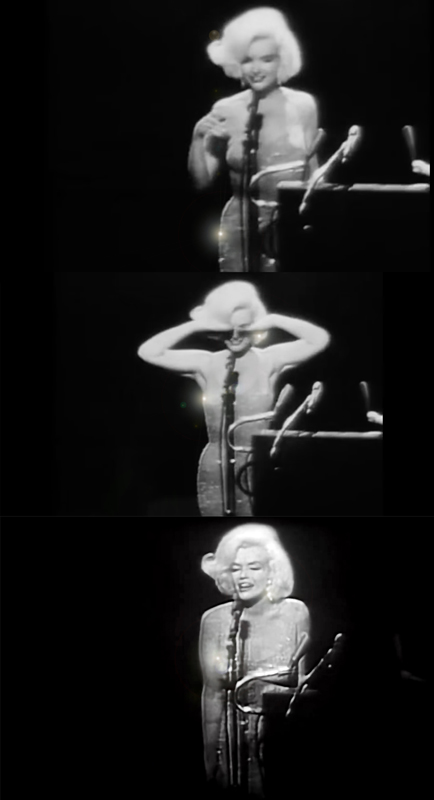
Rita Hayworth in Gilda, framed in black satin. Marilyn Monroe, shimmering in crystals beneath the lights of Madison Square Garden. Marlene Dietrich onstage in soufflé silk, beaded to look like nothing at all. These images have been reproduced, referenced and reimagined so many times that they can feel as though they have always existed.

Behind them was a designer whose name is far less familiar than the women he dressed: Jean Louis.

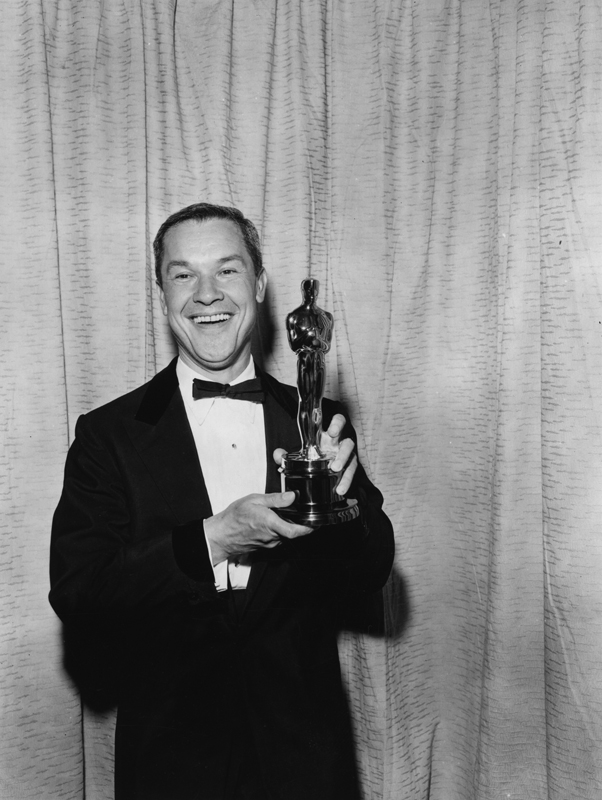
Born Jean Louis Berthault in Paris and trained in couture, he brought a remarkable understanding of construction and silhouette to Hollywood. He spent seven years at Hattie Carnegie in New York before moving to California, where he became head designer at Columbia Pictures in 1944, remaining there for roughly fifteen years. Over the course of his career he worked on 188 films and won an Academy Award for Best Costume Design for The Solid Gold Cadillac (1956). For most of that time he was a studio employee, producing at a rate no couturier would recognize.

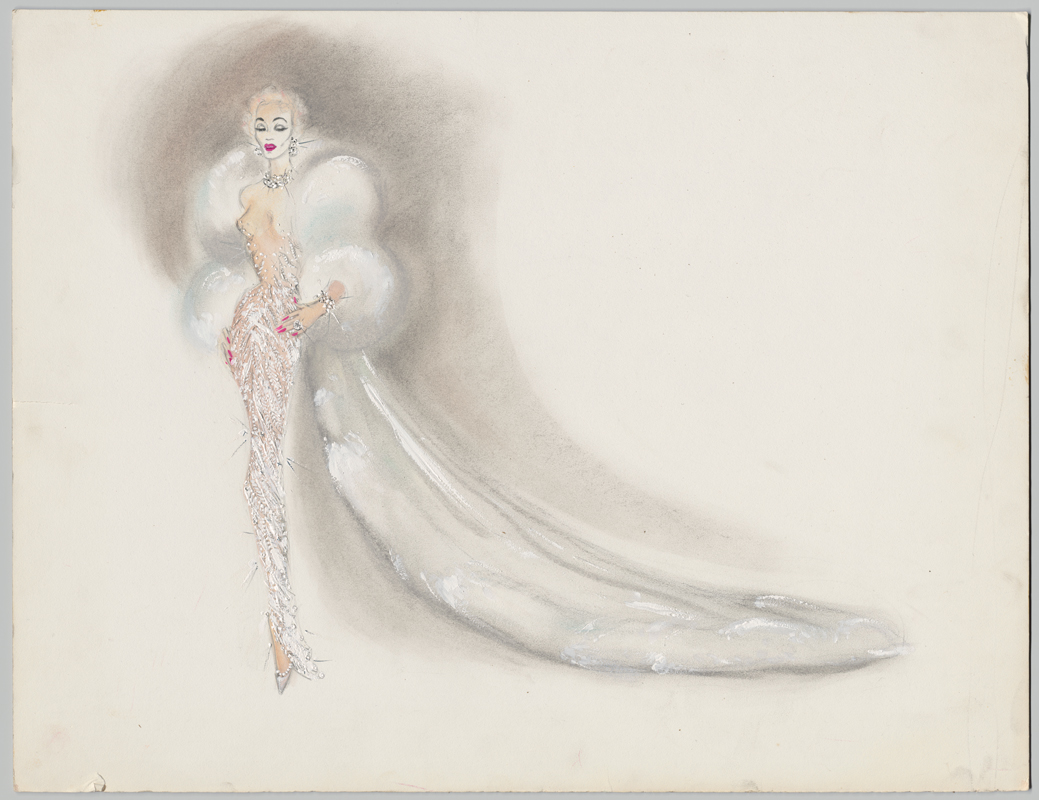
The seemingly effortless black satin gown in Gilda was built around a molded plastic structure that allowed Hayworth to move and perform. For Salome, he created a flesh-toned body suit that allowed her to appear nude beneath layers of veils. And for Marilyn Monroe’s famous 1962 performance, thousands of crystals were sewn onto silk dyed to her exact skin tone. She stood while the dress was sewn onto her body.

Long before “naked dressing” became a familiar fashion trope, Jean Louis was finding ways to make the suggestion of nudity more powerful than nudity itself.

He was working inside two sets of constraints, and only one of them was professional.

Jean Louis was a gay man working in Hollywood at a time when his private life required discretion, while his professional life involved creating some of the most potent images of female sexuality in American cinema. He worked within the restrictions of the studio system and the Production Code, finding ways to suggest what could not always be shown.

There is something fascinating in that tension: a designer whose own identity had to remain partially concealed became a master of revealing and concealing the identities of others.

The women he dressed were collaborators, not mannequins. Doris Day turned down a design because she did not recognize herself in it. Loretta Young learned to tell him not what she wanted to wear but how she wanted to feel. Both were doing the same thing, and he was listening: a woman asking for a dress is usually asking for something harder to name.

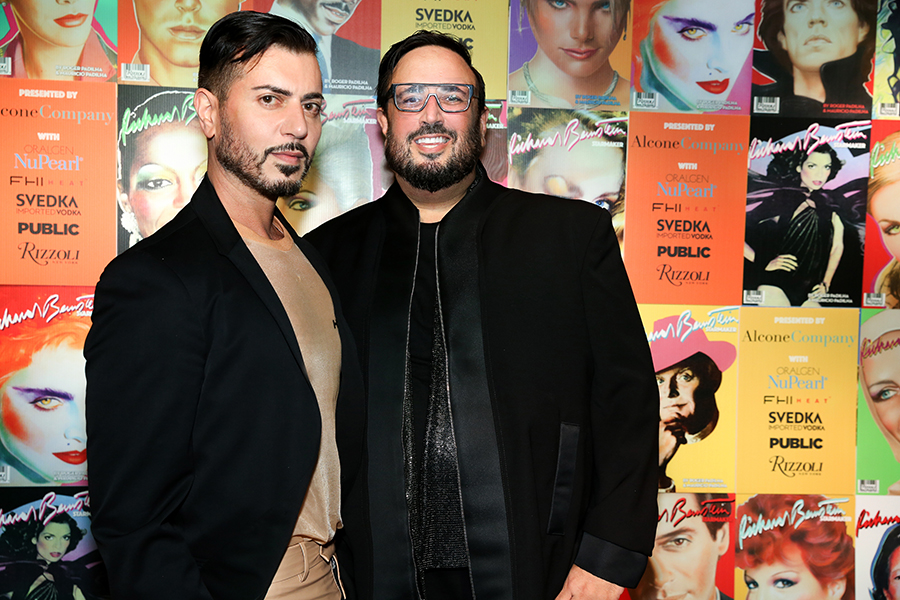
That complexity drew brothers Roger and Mauricio Padilha to Jean Louis. The Padilhas have spent their careers on artists whose influence outlived their names, including Stephen Sprouse, Antonio Lopez, Richard Bernstein and Chris von Wangenheim. Their new Rizzoli book, Jean Louis: Hollywood’s Bombshell Designer, with a foreword by Kim Novak, took them through all 188 films, along with sketches, photographs, archives and correspondence.

He was as good as any designer working in America in those years, and better than most of the ones we remember. He built images that could stand without him, and they did.

And decades later, we are still looking.

ROGER & MAURICIO PADILHA

Interview by Marc Sifuentes

The Obsession

You’ve spent much of your career documenting artists whose influence is bigger than their name recognition. What was it about Jean Louis that made you think, there’s a book here?

We thought that it was extraordinary that a designer behind what are arguably the two most famous gowns in history, Hayworth’s Gilda gown and Monroe’s Happy Birthday dress, was so highly referenced in pop culture but remained virtually unknown, while his peers such as Edith Head and Adrian were canonized by the Hollywood history machine. Jean Louis was a truly great designer, but because he worked for Columbia Pictures, which was a lot smaller than the Big Five golden age studios, MGM, Paramount, Warner Brothers, 20th Century Fox and RKO, his work was featured in films that didn’t have the distribution or budgets to become Hollywood classics.

You watched all 188 films associated with his career. What was that experience actually like? Was there a point when research became obsession?

This was a different research experience than most of our other books. We really had to rely on studying his work, as most of the people who knew him or worked with him are deceased. That said, many of the films he worked on are highly underrated, and we got to watch wonderful films that we normally wouldn’t have, so it was a really fun experience.

When you look at Jean Louis alongside the other major designers working in Hollywood at the time, where do you think he was genuinely different?

We’d argue that JL is the most fashion-based costume designer. He worked at the couture houses at the epicenter of fashion design in Paris before coming to the US and working at Hattie Carnegie, which was one of the most influential ready-to-wear companies at the time. So he came from a fashion background and brought a very different design eye to costumes than his peers.
The Work

The engineering behind some of his clothes is extraordinary: the structure beneath the Gilda gown, the flesh-toned body stocking in Salome, the skin-toned silk and crystals of Marilyn’s famous dress. Was Jean Louis’s genius as much about engineering as it was about design?

One hundred percent. Jean Louis seemed to understand that no matter how fantastic his designs were, if the women wearing them didn’t feel beautiful and secure, the effect would be lost. There is a lot of engineering going on underneath his designs, which are actually much simpler and unadorned than the designs of his peers, because he felt it was more important for the actresses wearing them to feel confident. He was a proponent of that adage that a fashionable woman wears the clothes instead of the clothes wearing her.

He was working under the Production Code, when Hollywood had to suggest sex without necessarily being able to show it. Did the restrictions of the Code push Jean Louis to be more inventive?

Yes. It was such a complicated time in history, as the studio heads and film producers wanted the women onscreen to be highly fetishized, yet the Hays Code limited what could actually be seen. So JL was caught in the middle of these demands and restrictions and had to suggest rather than show. His designs always seem ladylike, but there is always an element of subversiveness behind them that comes through.
The Women

The women Jean Louis dressed weren’t simply passive recipients of his vision. Some trusted him completely, while others pushed back. What did you discover about the relationship between Jean Louis and the women he dressed?

We think that his training in the couture houses of Paris, dressing some of the richest women in the world, really helped him deal with the egos and idiosyncrasies of the Hollywood actresses he would later work with. By all accounts he was the most charming man, and he spent a lot of time with the actresses on the film sets and off, so by the time he had to design the final outfits he had established a rapport and trust with the stars that was invaluable. So much so that when an actress was loaned to another studio to work on a film, many would insist that JL be permitted to work outside of Columbia and design for these outside projects.

Loretta Young once said that she learned never to tell Jean Louis what she wanted to wear, but instead to tell him how she wanted to feel. What does that tell us about the way Jean Louis approached a woman as his client?

Again, this is just further proof that his design philosophy was really rooted in the confidence his designs inspired in the women wearing them. He knew that a woman couldn’t look beautiful if she didn’t feel beautiful.

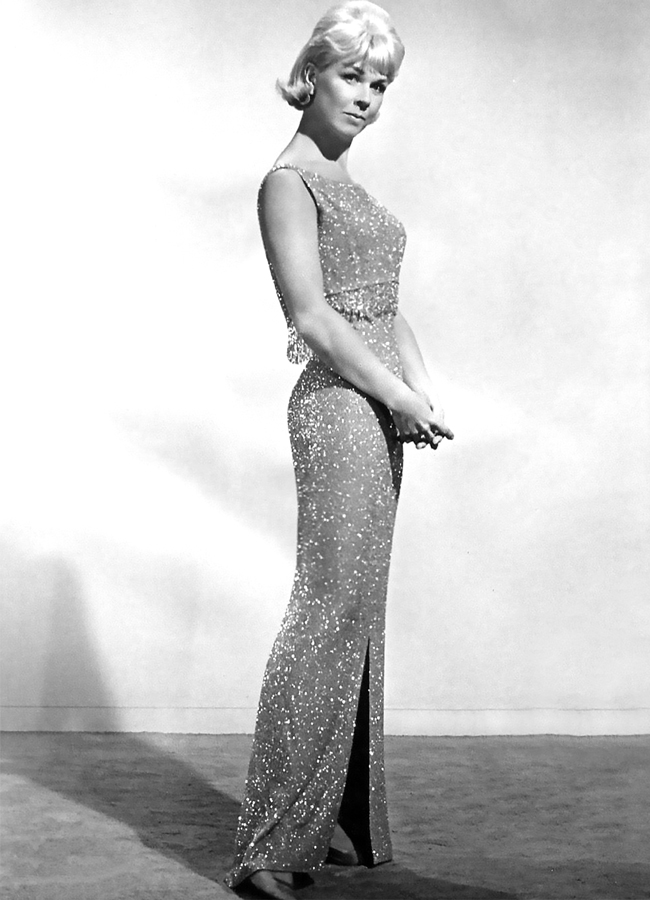
Doris Day turned down one of his designs because she wasn’t comfortable in it. What happened when a woman told Jean Louis, “That’s not me”?

This was a rare occurrence with JL and his stars, and it usually came about when a star had a very strong established image before working with him, such as Joan Crawford or Doris Day. They would be skeptical when working with a new designer, but he usually won them over. In Day’s case, JL’s work on Pillow Talk transformed her from the girl next door into a modern fashion icon, so whatever misgivings she may have initially had were eclipsed by the career surge that role gave her, and she trusted him implicitly on their next few films together.

Marlene Dietrich was famously exacting about her clothes, yet she developed such a strong creative relationship with Jean Louis. How much of the final image belonged to the woman herself, and how much belonged to Jean Louis?

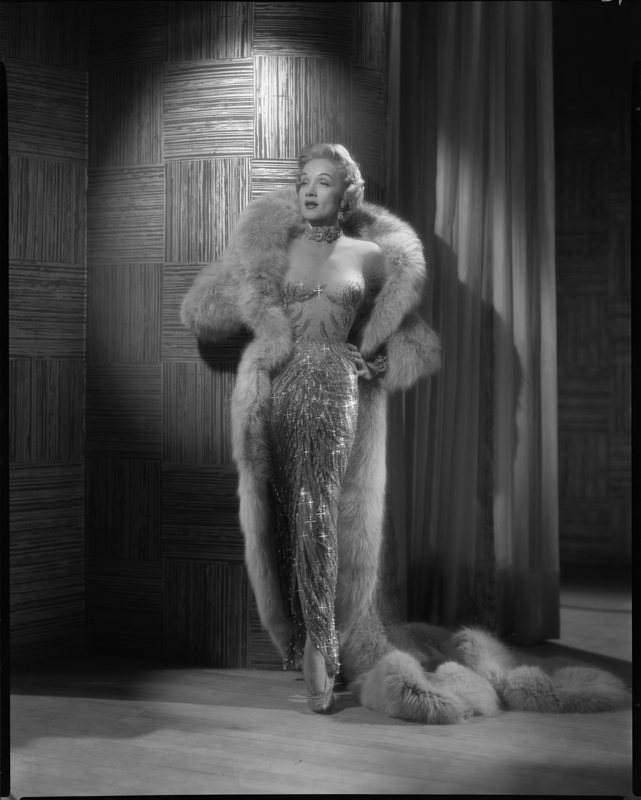
That collaboration was instrumental to both of them. Dietrich was as much of a fashion designer as she was an actress, and she understood exactly how to project the image of herself she had created. Asking JL to design her cabaret costumes meant that she saw his greatness and thought he understood that image. She was notoriously picky about who she worked with, so working with JL for seventeen years meant something.

The Man Behind the Clothes

You’ve described Jean Louis as having a “subversive edge.” Where do you see that most clearly?

Certainly the dress he designed for Marilyn Monroe’s appearance at JFK’s birthday is the most subversive. A simple sheath designed to make Monroe look naked, in a political arena that would be televised and watched by the entire country, is, in our opinion, the most rebellious statement ever made in fashion history.

Jean Louis was a gay man working in Hollywood at a time when his private life required discretion. How do you think that shaped his experience of Hollywood, both personally and professionally?

We think it enormously shaped his design work. He understood the power of image, of projecting a facade to gain power, and how to use clothing to say the unsaid.

Jean Louis and Loretta Young had been friends and collaborators for decades before they married in 1993, after his wife Maggy died in 1989. What did their relationship tell you about Jean Louis that you couldn’t have learned from the clothes?

That he was fiercely beloved by his friends. Young met JL when he first moved to Hollywood, so their relationship spanned forty years.

Jean Louis married Loretta Young in August 1993. He was 85, she was 80. His wife Maggy, who had died four years earlier, had been Young’s close friend for more than fifty years, and Young had been wearing his clothes since the 1950s, when he made the gowns she swept through the door in each week on television. The marriage surprised almost everyone who knew them. Asked about it by Daily Variety, Young said only that they had known each other for so long, and that when something is right it simply slips into place.
The Images

Let’s talk about Gilda. That black satin gown has become almost bigger than the film itself. After everything you discovered about its construction and the circumstances around it, do you see that image differently now?

That gown is a marvel in restraint and the sexiest non-sexual garment ever made. The pairing of the JL gown with Hayworth’s charisma and the choreography of that scene just came together in such an explosive way that still reads today when you watch it.
The Legacy

The gowns themselves have now developed lives of their own. Marilyn’s dress, for example, sold for $4.8 million in 2016 and was worn by Kim Kardashian on the Met Gala carpet decades after Monroe wore it. What does it do to a designer’s legacy when the garment becomes more famous, and more valuable, than either the film or the man who created it?

It’s such a testament to JL’s work. Of course we understand that a lot of that dress’s value came from being worn by Monroe and the circumstances around it, but many of Monroe’s iconic garments sold for way less, so a lot of its value does come from the design itself. Monroe was redefining her 1950s image at this point and aligning herself with the cultural shift of the 1960s, so that dress works on so many different levels. It’s just genius.
RICHARD BERNSTEIN: STARMAKER

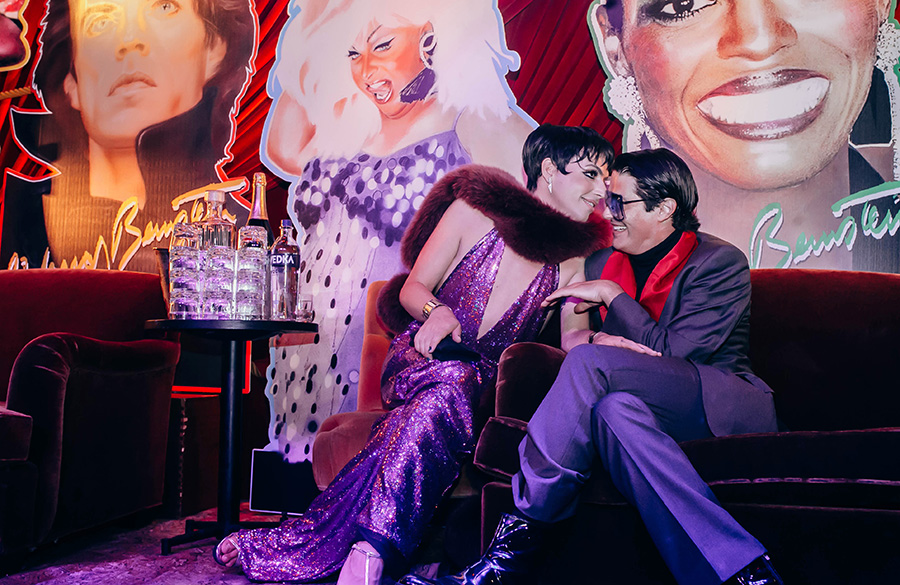
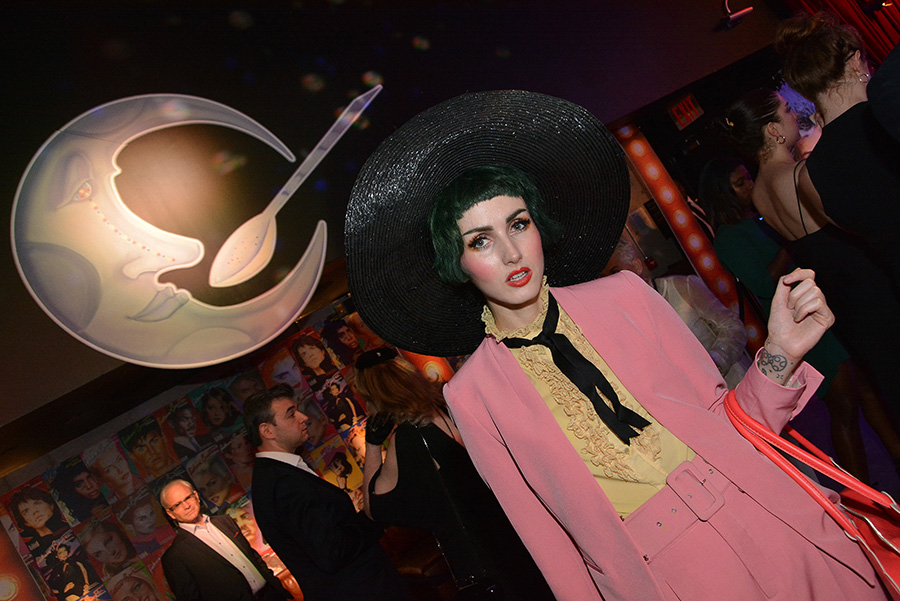
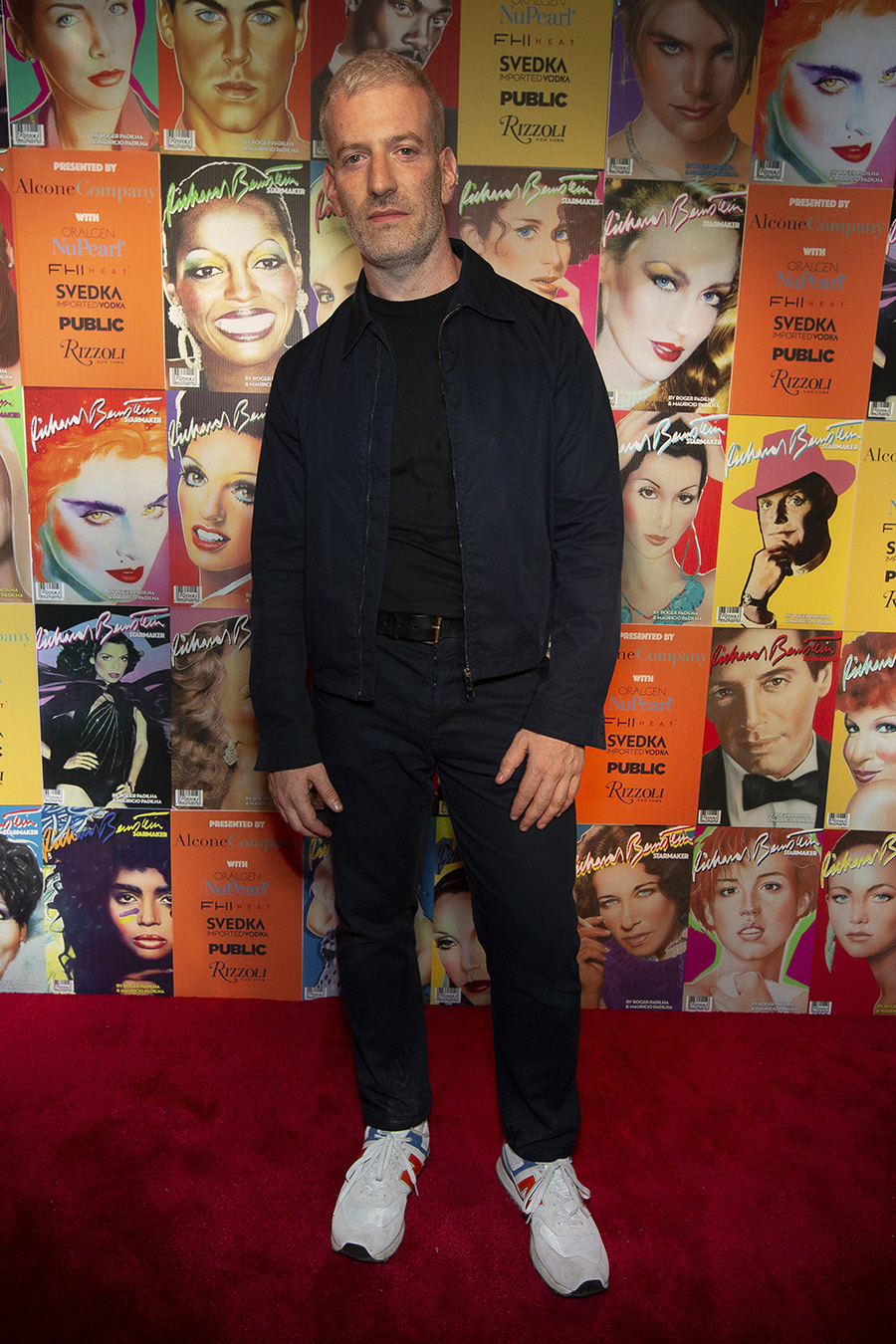
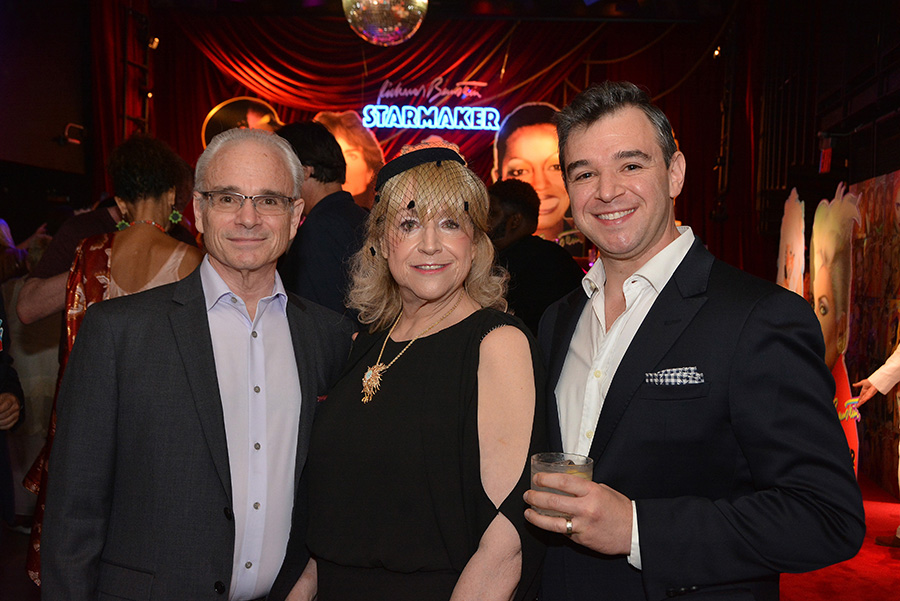
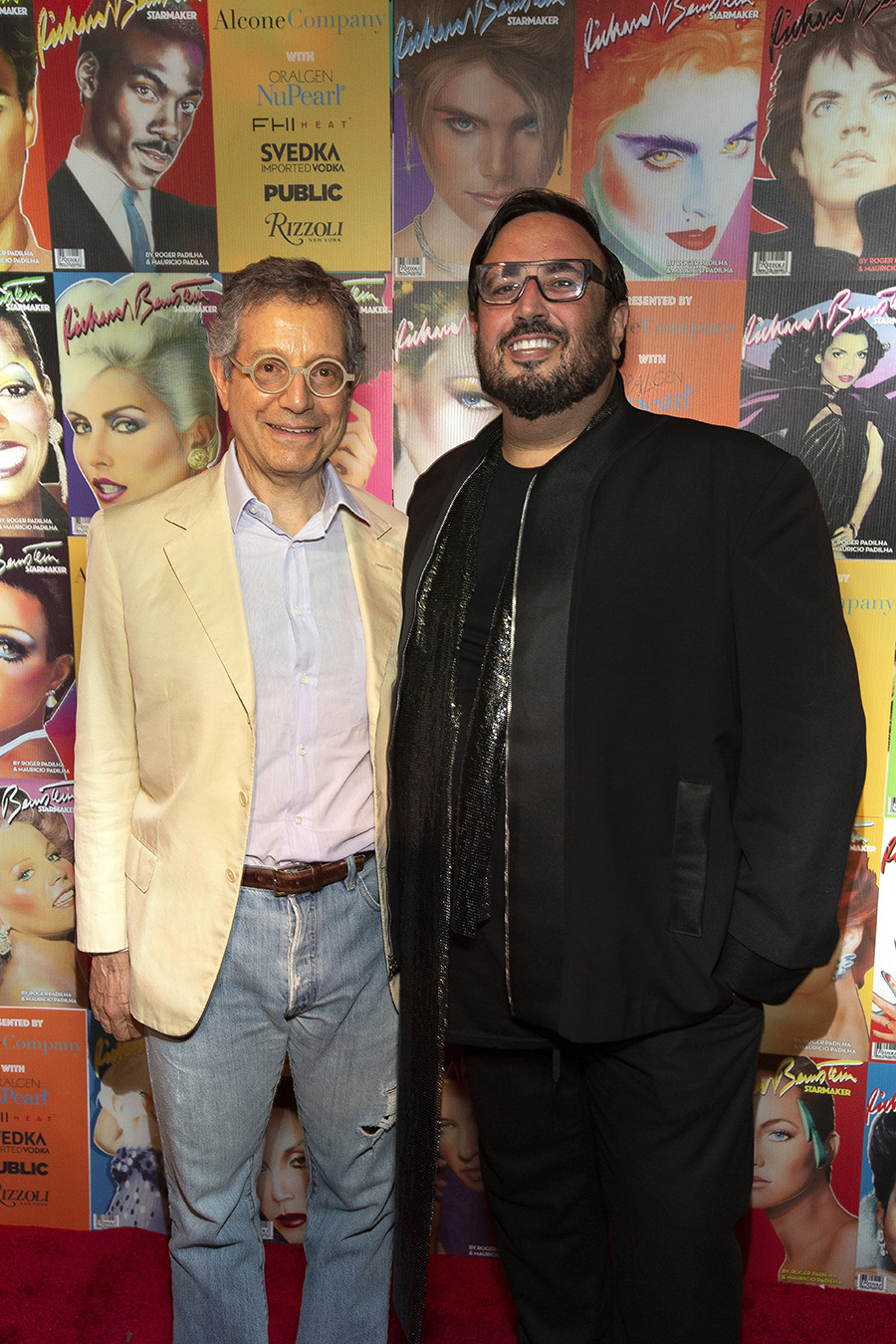
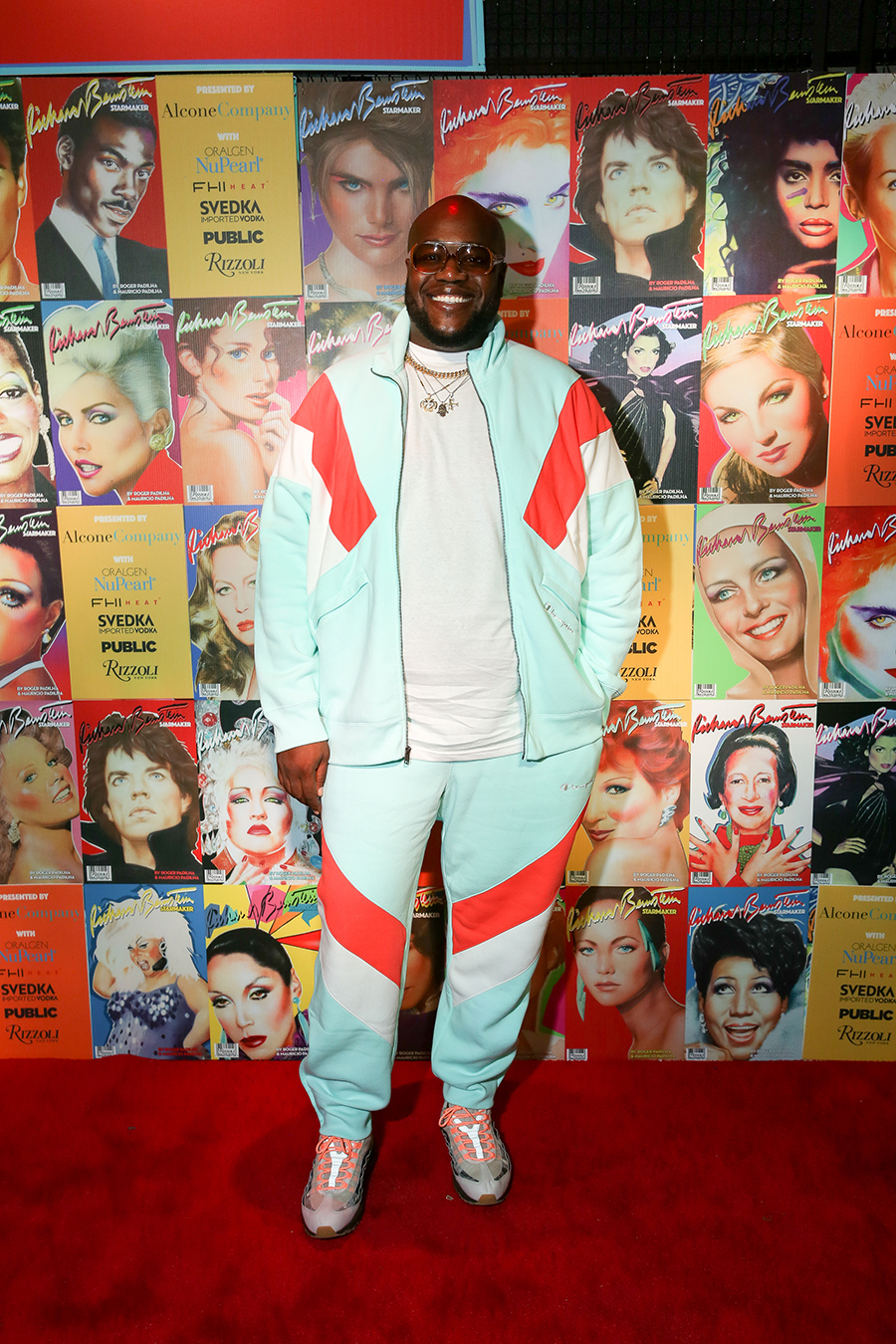
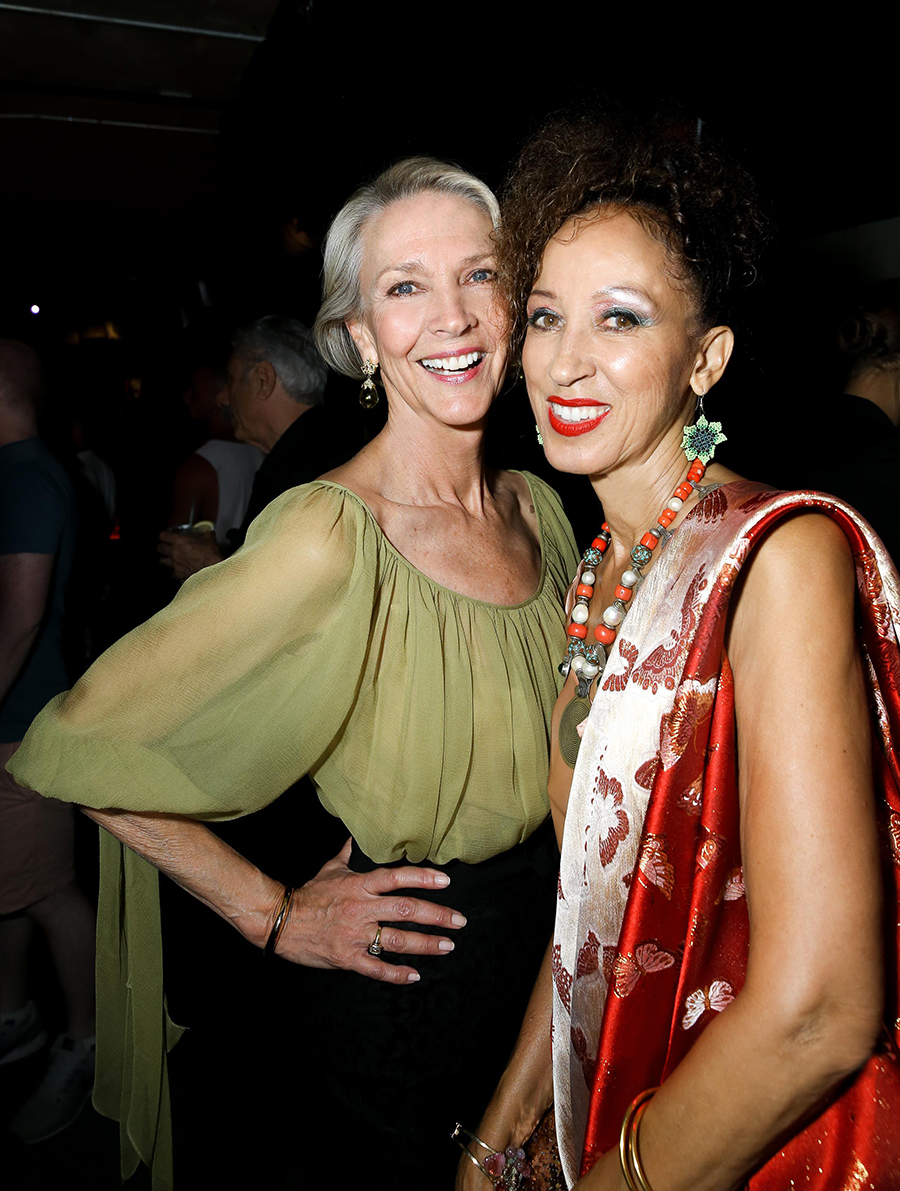
Kicking off New York Fashion Week, the Richard Bernstein: STARMAKER book launch party was celebrated at PUBLIC ARTS at Public in New York City earlier this month.

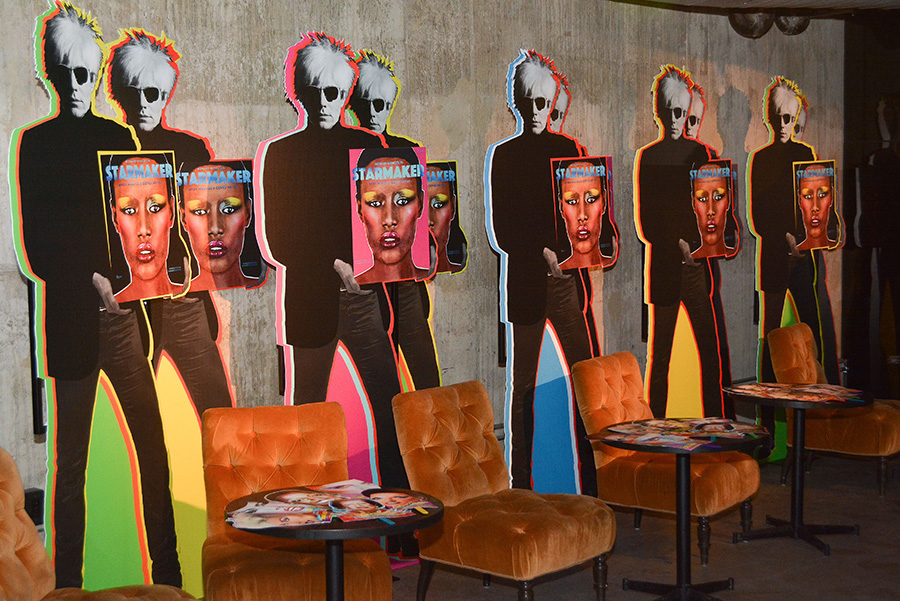
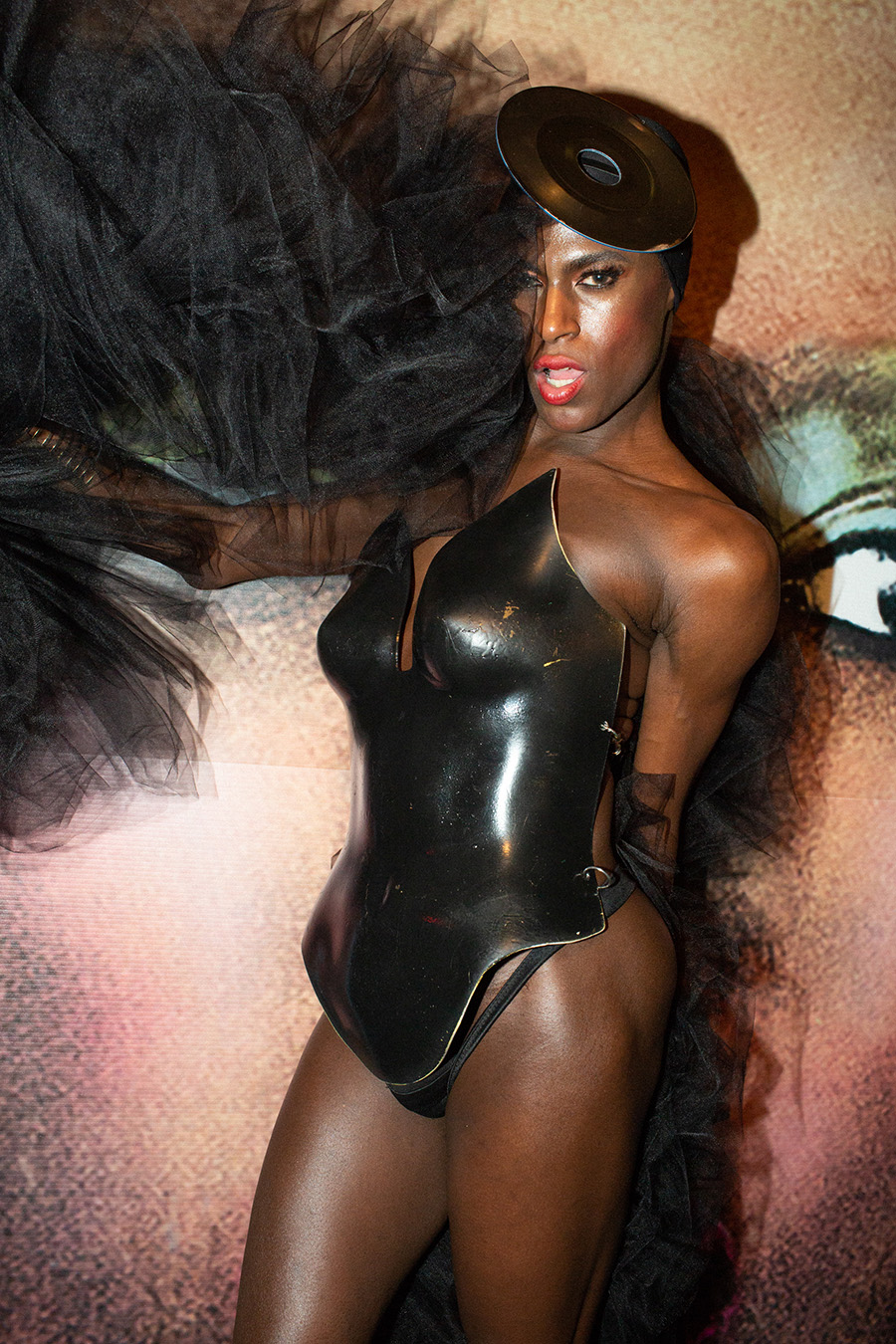
The venue walls were plastered with enlarged artwork of and cut outs of Interview Magazine covers spanning from 1972 to 1989. Legendary cover stars came to life on stage in a Studio 54 VIP Room setting while being catered to by a bevy of hunky bus boys. Performers who resembled Divine, Liza Minelli, Halston, Pat Ast, Jerry Hall and Grace Jones danced and partied the night away.

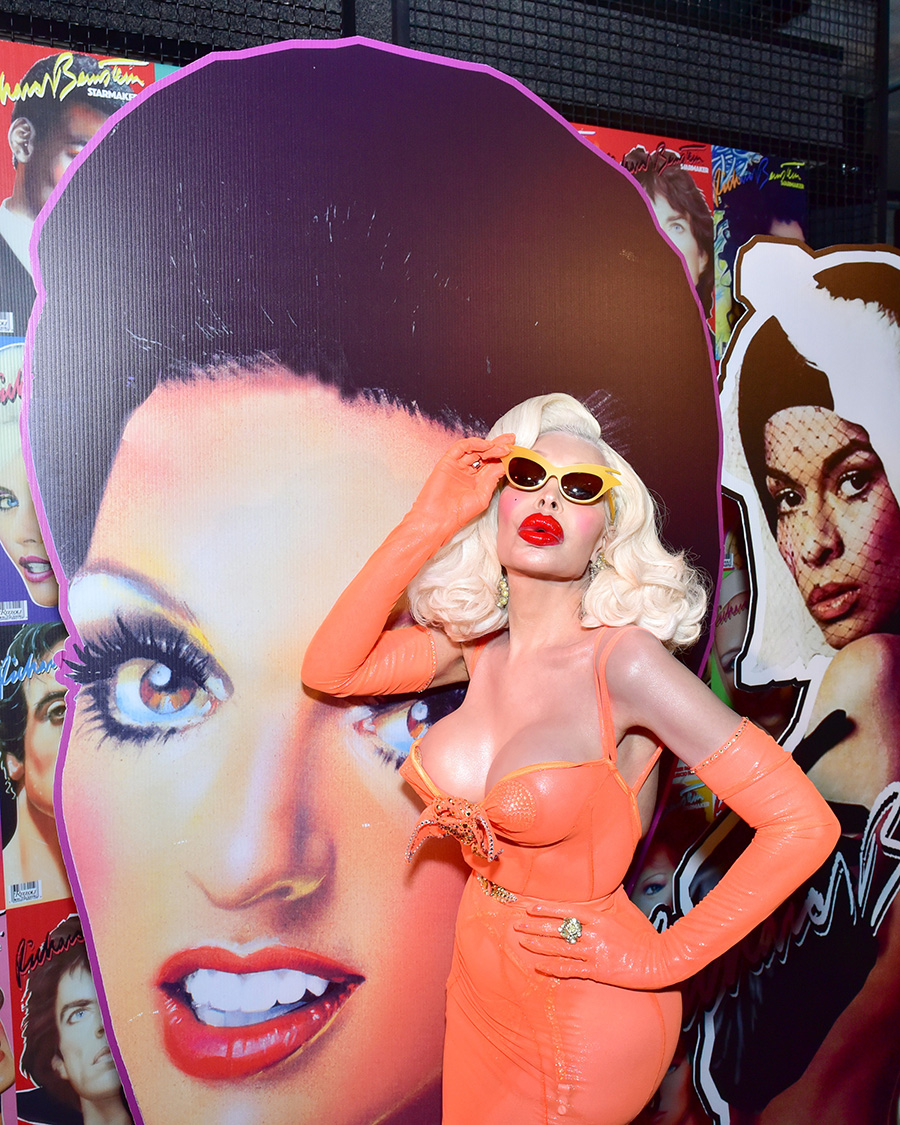
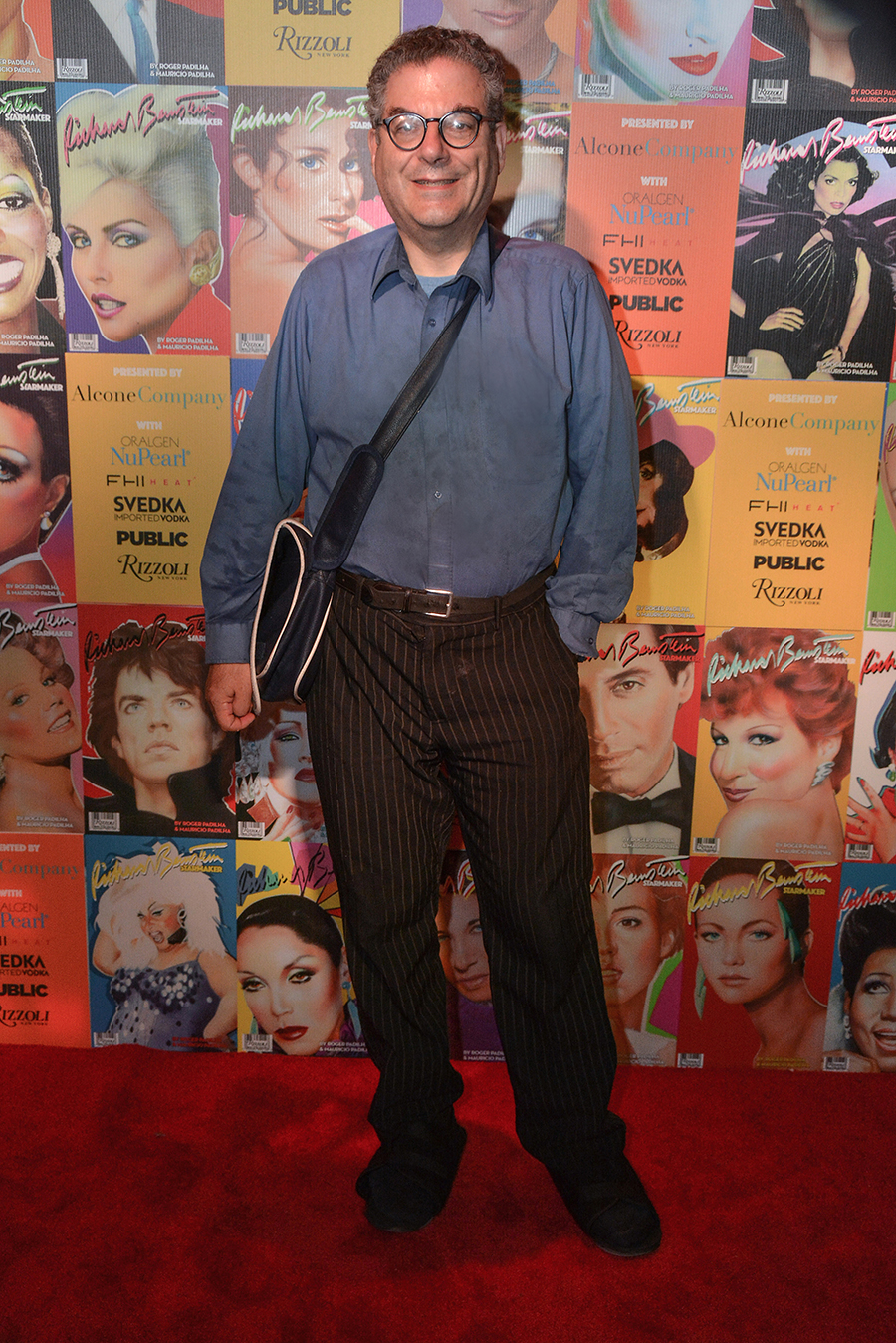
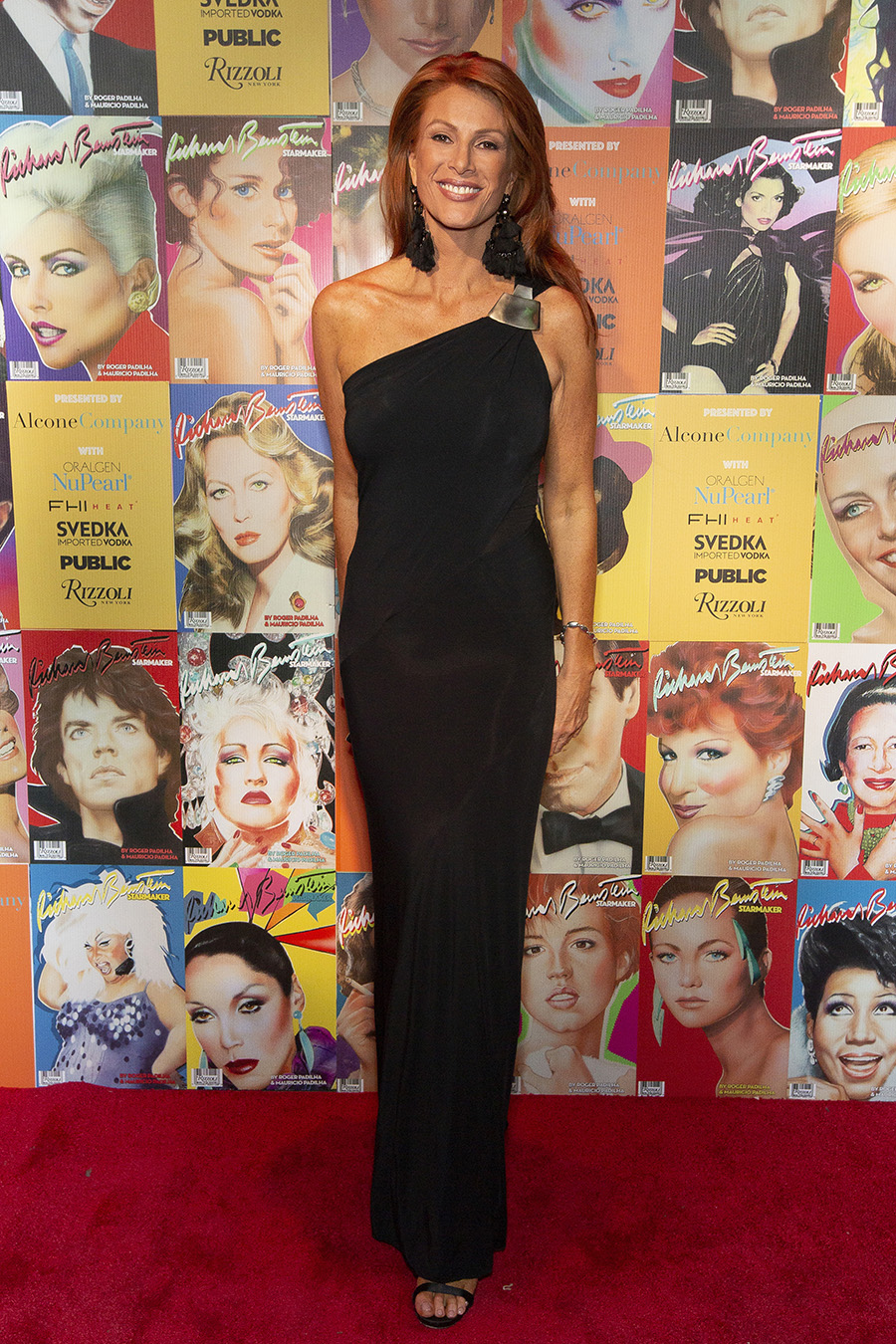
Celebrities in attendance were the creative director of the new Interview Magazine Mel Ottenberg, Pat Cleveland, Halstonette Karen Bjornson, famed Studio 54 publicist Carmen D’Alessio, Gaultier muse Stella Ellis, Angie Everhart, Amanda Lepore, Miss Jay Alexander, Dianne Brill, artist David Croland, Michael Musto, head of Warhol Enterprises Vincent Fremont and Jeffrey Deitch.

The private event was hosted by authors Mauricio and Roger Padilha whose book Richard Bernstein: STARMAKER Andy Warhol’s Cover Artist is now available in all major bookstores worldwide and is published by Rizzoli International Publications Inc. and presented by Alcone Company with FHI-Heat, Oralgen, Svedka and PUBLIC ARTS at Public.

Performers as Liza Minelli and Halston

Performers as Divine, Pat Ast, and Grace Jones

Stella Rose St. Claire

Mel Ottenberg, Stylist and Creative Director of Interview Magazine

John, Ellen, and Rory Trifon, family of Richard Bernstein

Jeffrey Deitch, art dealer and curator, and Mauricio Padilha, co-founder of  MAO Public Relations

Amanda Lepore.

Journalist Michael Musto

Angie Everheart, model and actress

Jonte Moaning, performer, dressed as Grace Jones

Dianne Brill, Queen of New York nightlife

Stylist Wouri Vice

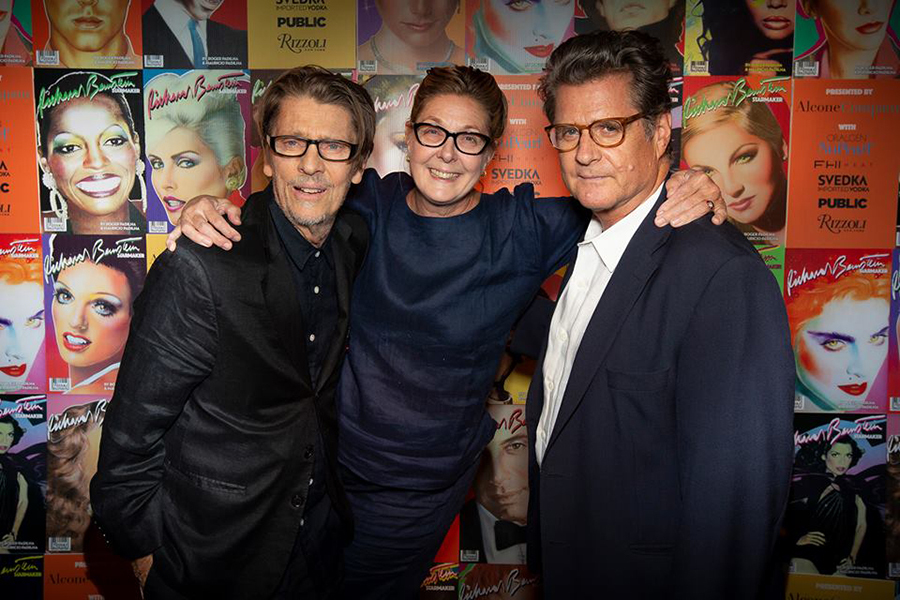
(left) Chris Makos, famed photographer, (center) Shelly Fremont, film director and producer, (right) Vincent Fremont, film producer and head of Warhol Enterprises

Legendary models Karen Bjornson (left) and Pat Cleveland (right)

BLONDIE

On the brink of a summer tour promoting the release of her 11th studio album with Blondie, the punk/new-wave/rock goddess, Debbie Harry,
shows no signs of slowing down.

Blazer by Vivienne Westwood | Fox Fur Leopard Print Boa by Georgine | Sunglasses by Le Specs Luxe

Photography by Nicolas Kern | Styling by Britt McCamey | Interview by Roger Padilha

Ever since she injected New York City’s ground-breaking, underground music scene with her infectious presence, Debbie Harry found her rightful place as Queen of Cool, and for the past 41 years has reigned as a trailblazing pioneer within the realms of pop culture, fine art, high fashion, and music. Arriving at Splashlight studios with an entourage of one, the low key Harry informs us there is no need for the more discreet side entrance. Instead she prefers to stand in line and check in with the front desk security like everyone else. This drama free attitude seems in line with her polite demeanor upon entering the set with a shopping bag full of past Blondie tour t-shirts and introducing herself to everyone on the crew. “Hi, I’m Debbie. Would anyone like a t-shirt?”

At the age of 71, Harry and her world-famous, Rock and Roll Hall of Fame band, Blondie, have released their eleventh studio album entitled Pollinator. Since their debut album in 1976, through the band’s signature look and pioneering new wave/punk music, Blondie has become an internationally recognized and praised band. With her photogenic face, two-toned hair, and punk style Harry quickly rose to the level of fashion and pop culture icon. Debbie quickly became a muse for Andy Warhol, the late fashion designer Stephen Sprouse, and famed fashion photographer Steven Meisel, to name a few. She was and remains very influential across music genres, and Blondie’s song Rapture became the first #1 song in the US to feature rap, thanks to her influence by friends Fab Five Freddy, and hip- hop pioneer, Grandmaster Flash.

Frontwoman Harry and guitarist/conceptual mastermind Chris Stein were the founding members of Blondie, along with drummer Clem Burke, whose powerhouse playing always distinguished Blondie’s sound. Their newest project, Pollinator, is a fusion of pop and disco with that ineffable Blondie sound. The newly released album is mostly comprised of collaborations with outside performers and songwriters. The list of collaborators include Dev Hynes of Blood Orange, Johnny Marr of the Smiths, Charlie XCX, Sia, Laurie Anderson, Joan Jett, The Strokes’ Nick Valensi, comedian John Roberts, and Dave Sitek from TV on the Radio. The album’s first single, “Fun”, sets the tone for the album, with a music video that features technicolor footage of an astronaut flying to Mars cut with scenes of the band performing at a psychedelic rave in space.

The album title, Pollinator, refers to Blondie’s creative cross-pollination over the years with many other icons in the industry. With the fabulous collaborations between Blondie and other artists throughout the studio album, Pollinator is a veritable hive of delicious tracks and beats to enjoy. The Rage and Rapture Tour kicks off on July 5th and features the acclaimed alternative rock band Garbage.

Though the tunes were culled from disparate sources, the feel of the album is impressively unified, with a playful nod to 1978’s groundbreaking Parallel Lines. Harry, Stein, Burke, and company took this raw material and deftly transformed it in the studio into an album that’s quintessentially Blondie. The emphasis is on arrangements that are fast and fun, lyrics that are romantic and teasing, and synth-stoked hooks that evoke the New Wave era. It was Grammy-winning producer John Congleton (Franz Ferdinand, St. Vincent, Sigur Ros, David Byrne, War on Drugs) that brought the late 70’s attitude out of Blondie again. He found himself having breakfast with Debbie and Chris in the summer of 2015. “We hung out for an hour, talked about music, about where they were as people and what they thought a Blondie record should sound like these days. We were simpatico on that.”

“I had more of a deliberate agenda than they did,” says John. “Their agenda was the best agenda: they still love each other; they like playing music, so let’s have fun. At the end of the day Blondie doesn’t have anything to prove. My agenda was more dogmatic. I didn’t want to make a pastiche lifestyle record or a modern pop record that sounded like Blondie being influenced by what’s happening now. I wanted to know what it’s like to be Blondie at this age.” Debbie, Chris, and Clem joined by band members bassist Leigh Foxx, guitarist Tommy Kessler and keyboardist Matt Katz-Bohen have embarked on a new Blondie summer tour.

Leather Trench by Georgine | Bloomers by Miu Miu | Tights by Falke | Patent Pumps by Laurence Dacade | Earrings by Orchid & Art Deco

We were fortunate enough to chat with the legendary rockstar at Splashlight Studios in Manhattan during her exclusive Iris Covet Book photoshoot.

How have you managed fame as an artist? Do you find that the commercial aspect of making music gets in the way of artistry?

Being a more private type, fame has sometimes been disturbing. But as a commercial artist, it is the goal isn’t it? To become known and get your music out into the world market.

I feel like I see your face and image every day on t-shirts and instagram. Are you ever overwhelmed by the global impact of the band and the image you played a definitive part in creating?

If I stop to think about it, yes it is overwhelming. That’s all part of the game though, isn’t it?

You’ve always seemed to be very reserved and a bit of an introvert in person, but yet you have been able to get onstage and perform in huge venues in front of millions throughout your career. What is the process you undergo to change into that onstage, larger-than-life persona?

I don’t really think of myself as an introvert but I have been described as being very polite. I was encouraged growing up to be well mannered and able to listen to others. To not always have to be the center of attention when in social situations. On stage it’s a different story…….it’s MY stage.

On Debbie: Jacket by Marc Jacobs | Skirt (Worn as a dress) by Comme des Garçons from New York Vintage | Tights by Falke | Pumps by Laurence Dacade 
On Chris: His Own Clothing

Never satisfied to rest on your laurels, Blondie’s incessant need to fly the flag for cross-genre rock never relinquishes because your punk spirit never died. How do you keep your punk spirit alive?

Punk spirit…just stubborn I guess. Always have been. Independence has always been important to me. I grew up in a sheltered home and was always wanting to see more of the big bad world.

How was it collaborating with all of these amazing, boundary-pushing artists such as Sia, Dev Hynes of Blood Orange, and Joan Jett?

Collaboration has always been something I enjoy doing. It can be so much fun tossing ideas around. I loved working with Dev Hynes and Joan Jett, whom I’ve known for years. Sia actually wrote the song [on the new album] and I only met her briefly at a Saturday Night Live party. I’m happy the way it all came together. It was a different approach for us, to draw in all of these things. I feel like we did what we did back then, and we put out these sounds and ideas and now have come full circle. We are pulling it back in, continuing this ongoing chain of events, this circular motion.

You will be touring the country with the legendary rock band, Garbage, fronted by Shirley Manson. Tell us about how this tour collaboration came to be, have you worked together before?

I don’t think we ever worked together before, but I met Shirley many years ago in Scotland when she was singing with Goodbye Mr. Mackenzie. Years later we ran into each other at Gary Kurfirst’s office. We were both being managed by Gary at the time. Shirley and her band Garbage are one of my faves.

40 million album sales and countless accolades later (including a Rock And Roll Hall Of Fame induction in 2006 and NME Godlike Genius Award in 2014) has cemented the band’s importance. After all of the success, what inspires you to keep creating new music?

One of the most inspiring things to happen in the last year has been the David Bowie release after his death. I only hope that I can be one-tenth as creative as he has been, and to leave a parting gift of music or art is truly what art is about.

Jacket by Song Seoyoon | T-Shirt by Han københavn

Two of the original members of the band have been replaced with other musicians over the years, how has the new dynamic of Blondie shifted the energy of the band?

Good question. Blondie has always been, or tried to be, a true ensemble situation. Input by musicians or actors in a group is extremely valuable, but not always easy. We have one fucking great band now, and I can’t wait for everyone to hear us play the new material.

When you first moved to New York, it was a much more dangerous and rough city, but that energy also helped fuel many creatives at the time. Now that NYC has gone through so much gentrification and commercialism, do you think it’s possible for artists to make profound music and art in the “new” New York City?

Food for thought…that’s what cities and colleges supply. So why not, in spite of all the odds against it, why can’t a fresh, alert mind be creative in any circumstance. Although chaos is famous for being the founder of great creativity.

Which album or song are you most proud of? And beyond that, what are you most proud of in your life?

I don’t think I can limit myself to one album or song, they all seem connected to each other for me. As for my life, I’m amazed that I actually achieved my dreams and that I’m still at it.

You’ve done 11 albums with Blondie and 5 albums as a solo artist, not to mention compilations and collaborations on other artists’ albums. How do you stay inspired? Is there anything you feel you haven’t said through your art yet?

Knowing what you like and what excites you is the most important part and Blondie is really the only group I’ve ever been in with the exception of singing with the Jazz Passengers for about four years. Fortunately, now I’m on a collision course with environmental issues. As I’ve gotten older and climate, clean air and water have become more important issues for us, I want to do my part to draw attention to these problems and their solutions.

The world lost a great contributor to the arts recently with the passing of your friend Glenn O’Brien. Glenn was very supportive of Iris Covet Book and agreed to be interviewed for our first issue. He was always very generous to emerging creatives. Can you share a favorite memory you had with Glenn?

Oh yes, Glenn was a great writer and a keen observer of the arts. He had such a wonderful style: dry and funny, so sharp. I will miss him. Before he passed he gave me his newest book, LIKE ART which I have enjoyed thoroughly. I have had lots of good times hanging out with Glenn and Chris. Just talking and making fun of things like on TV Party when they were co-hosts. I feel lucky to have known him.

Blondie really incorporated so many different genres and types of music that it seems unfair to call you just a Punk pioneer as many people do. What would you like your music legacy to be?

A lot of the music that I’ve made over the years was never even recorded and maybe this is something special. Food for the spheres. Blondie albums and Deborah Harry albums have had a lot of different musical and cultural influences but this is the city we live in and the world of today. Let’s face it, we can know as much as we want about all the cultures of the world. What we need is time travel.

Patent Coat by Miu Miu | Earrings by Ana Khori

Buy Pollinator at http://www.blondie.net/ or stream on Spotify, Apple Music, or Amazon

Art Direction by Louis Liu | Editor Marc Sifuentes | Hair by Adam Markarian | Makeup by Yumi Lee @ Streeters | Manicure by Narina Chan @ Wilhelmina Artists for Chanel Le Vernis in Roubachka | Set Design by Mila Taylor Young @ D+V Management | Editor’s assistant Ben Price | Filming by Scott Keenan | Video editor/post production YaYa Xu | Special Thanks to Splashlight Studios NYC