JEAN LOUIS: HOLLYWOOD’S BOMBSHELL DESIGNER

There are certain images that seem to belong to everyone.

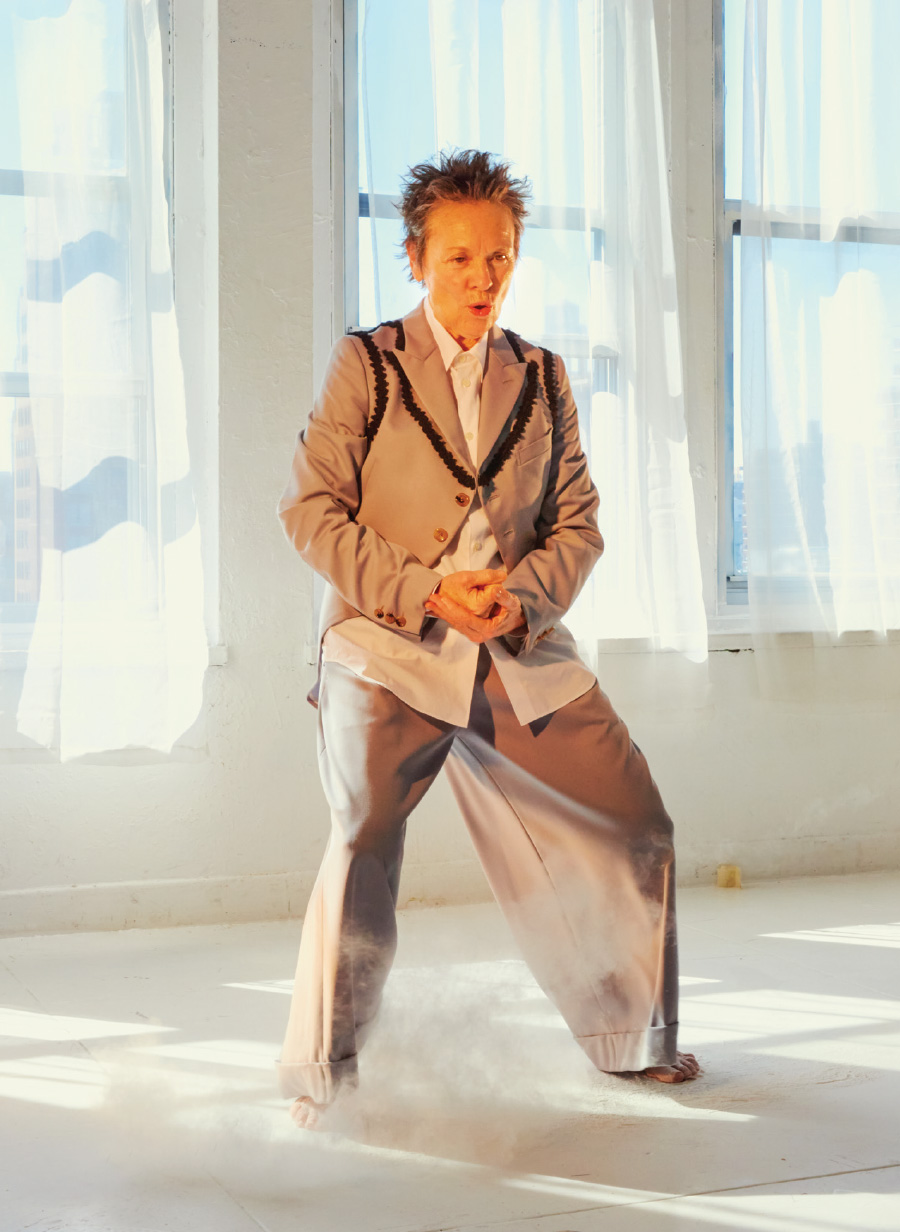
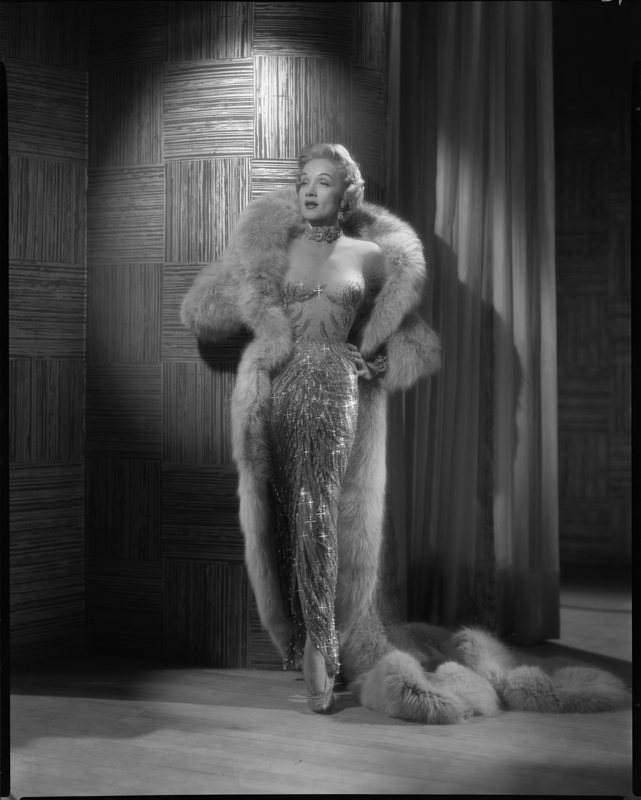
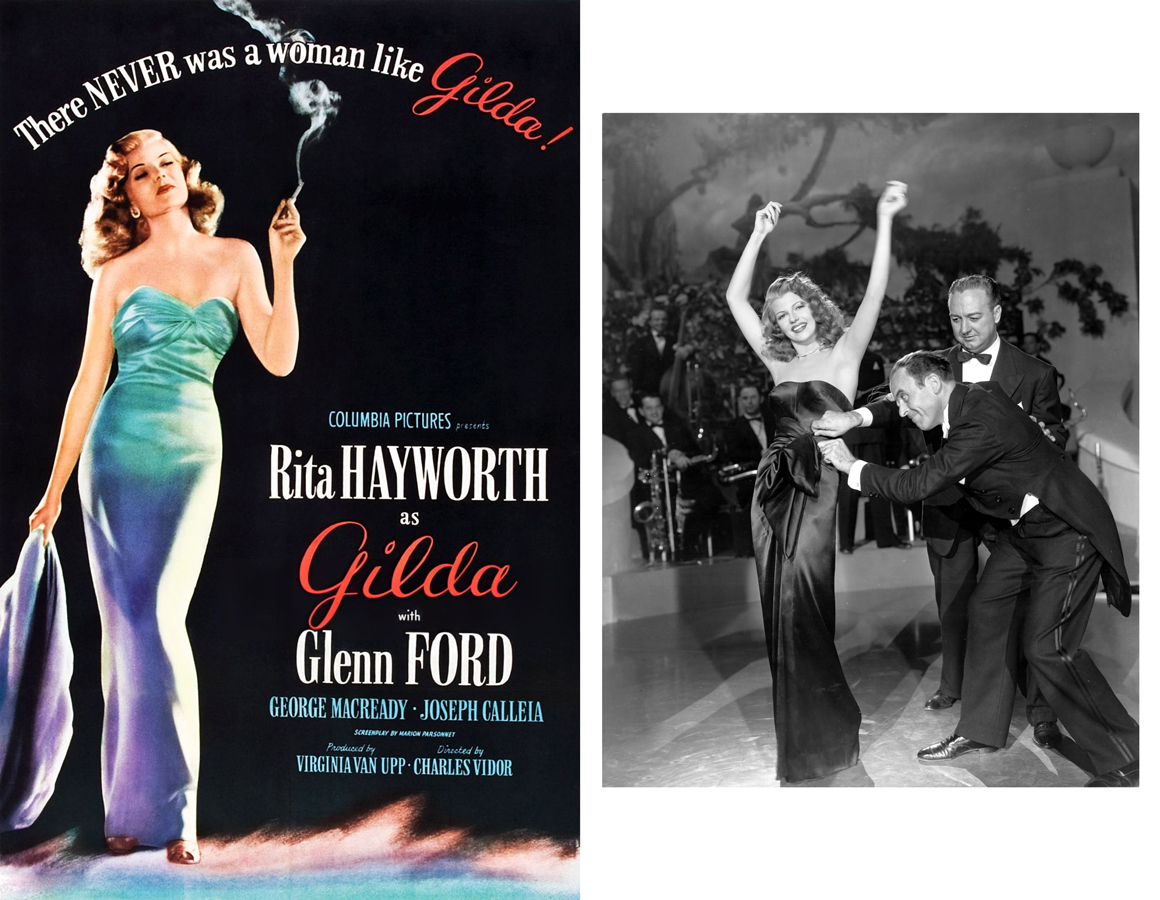
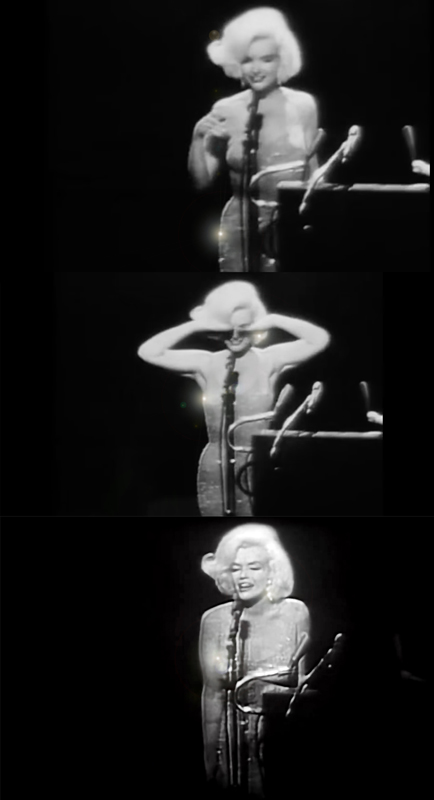
Rita Hayworth in Gilda, framed in black satin. Marilyn Monroe, shimmering in crystals beneath the lights of Madison Square Garden. Marlene Dietrich onstage in soufflé silk, beaded to look like nothing at all. These images have been reproduced, referenced and reimagined so many times that they can feel as though they have always existed.

Behind them was a designer whose name is far less familiar than the women he dressed: Jean Louis.

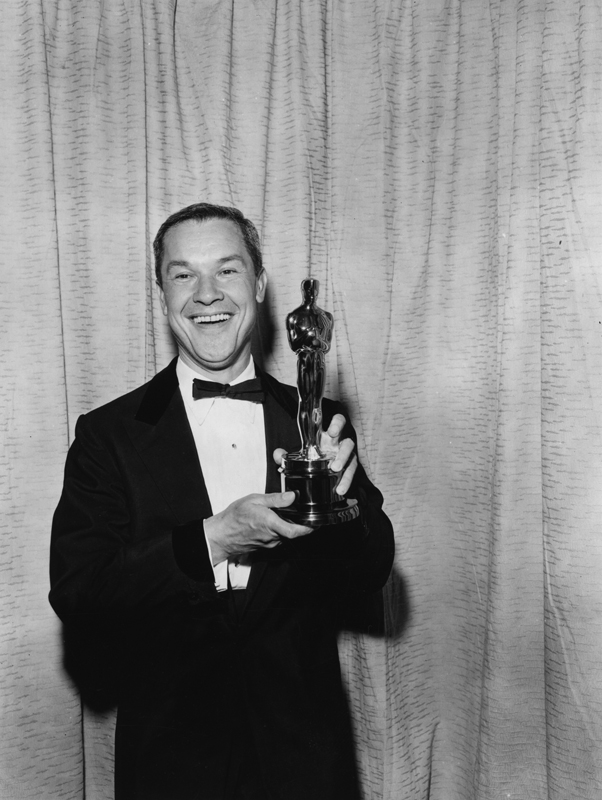
Born Jean Louis Berthault in Paris and trained in couture, he brought a remarkable understanding of construction and silhouette to Hollywood. He spent seven years at Hattie Carnegie in New York before moving to California, where he became head designer at Columbia Pictures in 1944, remaining there for roughly fifteen years. Over the course of his career he worked on 188 films and won an Academy Award for Best Costume Design for The Solid Gold Cadillac (1956). For most of that time he was a studio employee, producing at a rate no couturier would recognize.

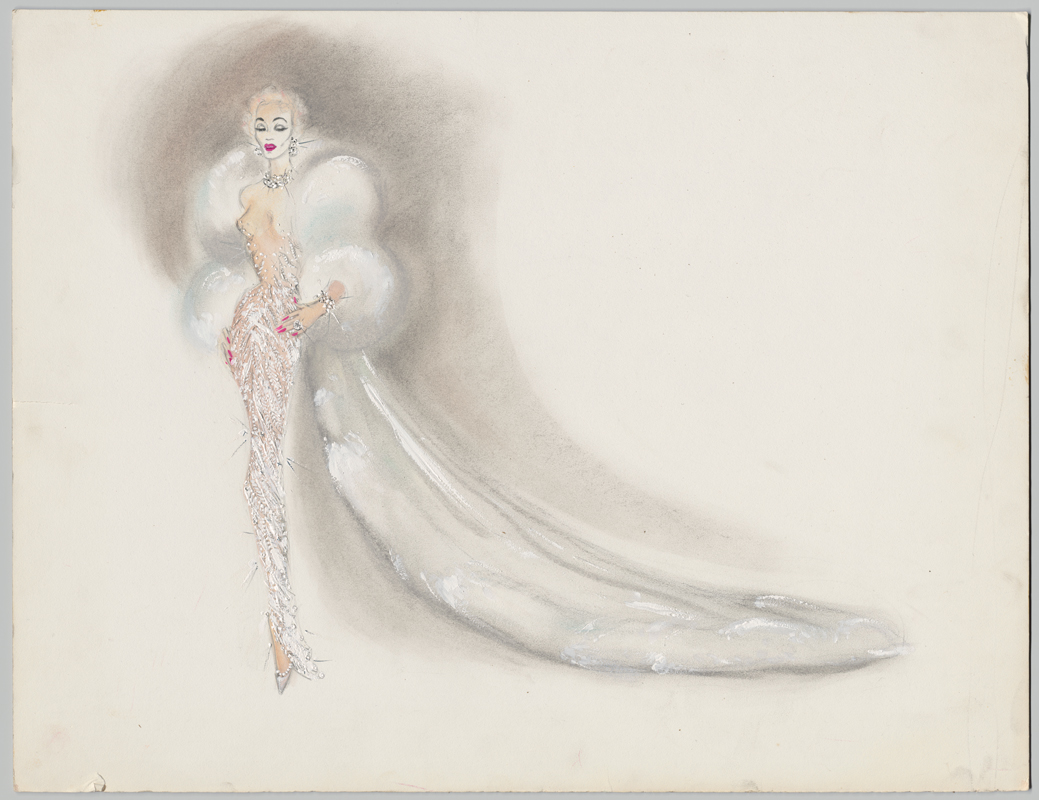
The seemingly effortless black satin gown in Gilda was built around a molded plastic structure that allowed Hayworth to move and perform. For Salome, he created a flesh-toned body suit that allowed her to appear nude beneath layers of veils. And for Marilyn Monroe’s famous 1962 performance, thousands of crystals were sewn onto silk dyed to her exact skin tone. She stood while the dress was sewn onto her body.

Long before “naked dressing” became a familiar fashion trope, Jean Louis was finding ways to make the suggestion of nudity more powerful than nudity itself.

He was working inside two sets of constraints, and only one of them was professional.

Jean Louis was a gay man working in Hollywood at a time when his private life required discretion, while his professional life involved creating some of the most potent images of female sexuality in American cinema. He worked within the restrictions of the studio system and the Production Code, finding ways to suggest what could not always be shown.

There is something fascinating in that tension: a designer whose own identity had to remain partially concealed became a master of revealing and concealing the identities of others.

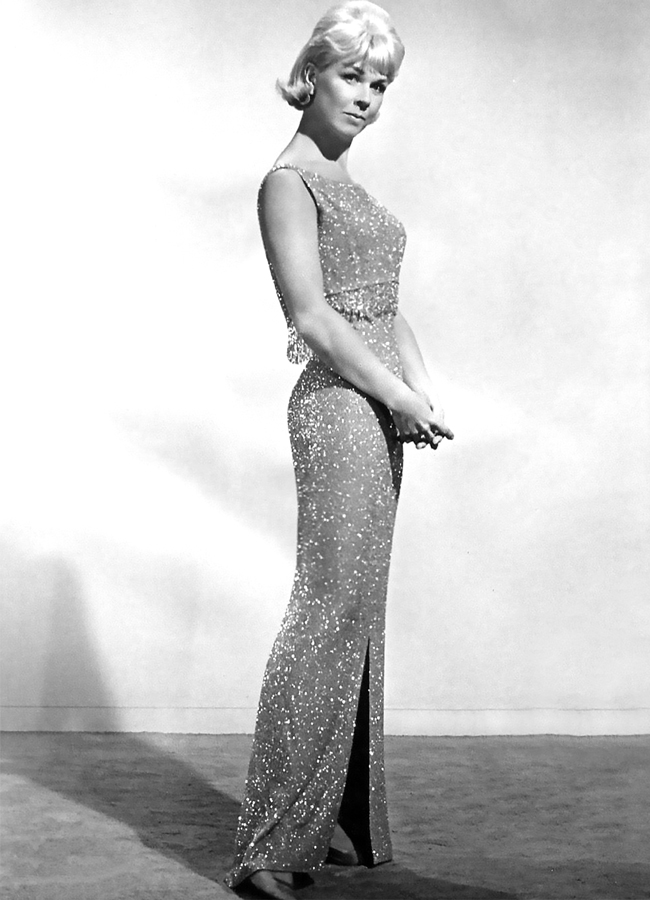
The women he dressed were collaborators, not mannequins. Doris Day turned down a design because she did not recognize herself in it. Loretta Young learned to tell him not what she wanted to wear but how she wanted to feel. Both were doing the same thing, and he was listening: a woman asking for a dress is usually asking for something harder to name.

That complexity drew brothers Roger and Mauricio Padilha to Jean Louis. The Padilhas have spent their careers on artists whose influence outlived their names, including Stephen Sprouse, Antonio Lopez, Richard Bernstein and Chris von Wangenheim. Their new Rizzoli book, Jean Louis: Hollywood’s Bombshell Designer, with a foreword by Kim Novak, took them through all 188 films, along with sketches, photographs, archives and correspondence.

He was as good as any designer working in America in those years, and better than most of the ones we remember. He built images that could stand without him, and they did.

And decades later, we are still looking.

ROGER & MAURICIO PADILHA

Interview by Marc Sifuentes

The Obsession

You’ve spent much of your career documenting artists whose influence is bigger than their name recognition. What was it about Jean Louis that made you think, there’s a book here?

We thought that it was extraordinary that a designer behind what are arguably the two most famous gowns in history, Hayworth’s Gilda gown and Monroe’s Happy Birthday dress, was so highly referenced in pop culture but remained virtually unknown, while his peers such as Edith Head and Adrian were canonized by the Hollywood history machine. Jean Louis was a truly great designer, but because he worked for Columbia Pictures, which was a lot smaller than the Big Five golden age studios, MGM, Paramount, Warner Brothers, 20th Century Fox and RKO, his work was featured in films that didn’t have the distribution or budgets to become Hollywood classics.

You watched all 188 films associated with his career. What was that experience actually like? Was there a point when research became obsession?

This was a different research experience than most of our other books. We really had to rely on studying his work, as most of the people who knew him or worked with him are deceased. That said, many of the films he worked on are highly underrated, and we got to watch wonderful films that we normally wouldn’t have, so it was a really fun experience.

When you look at Jean Louis alongside the other major designers working in Hollywood at the time, where do you think he was genuinely different?

We’d argue that JL is the most fashion-based costume designer. He worked at the couture houses at the epicenter of fashion design in Paris before coming to the US and working at Hattie Carnegie, which was one of the most influential ready-to-wear companies at the time. So he came from a fashion background and brought a very different design eye to costumes than his peers.
The Work

The engineering behind some of his clothes is extraordinary: the structure beneath the Gilda gown, the flesh-toned body stocking in Salome, the skin-toned silk and crystals of Marilyn’s famous dress. Was Jean Louis’s genius as much about engineering as it was about design?

One hundred percent. Jean Louis seemed to understand that no matter how fantastic his designs were, if the women wearing them didn’t feel beautiful and secure, the effect would be lost. There is a lot of engineering going on underneath his designs, which are actually much simpler and unadorned than the designs of his peers, because he felt it was more important for the actresses wearing them to feel confident. He was a proponent of that adage that a fashionable woman wears the clothes instead of the clothes wearing her.

He was working under the Production Code, when Hollywood had to suggest sex without necessarily being able to show it. Did the restrictions of the Code push Jean Louis to be more inventive?

Yes. It was such a complicated time in history, as the studio heads and film producers wanted the women onscreen to be highly fetishized, yet the Hays Code limited what could actually be seen. So JL was caught in the middle of these demands and restrictions and had to suggest rather than show. His designs always seem ladylike, but there is always an element of subversiveness behind them that comes through.
The Women

The women Jean Louis dressed weren’t simply passive recipients of his vision. Some trusted him completely, while others pushed back. What did you discover about the relationship between Jean Louis and the women he dressed?

We think that his training in the couture houses of Paris, dressing some of the richest women in the world, really helped him deal with the egos and idiosyncrasies of the Hollywood actresses he would later work with. By all accounts he was the most charming man, and he spent a lot of time with the actresses on the film sets and off, so by the time he had to design the final outfits he had established a rapport and trust with the stars that was invaluable. So much so that when an actress was loaned to another studio to work on a film, many would insist that JL be permitted to work outside of Columbia and design for these outside projects.

Loretta Young once said that she learned never to tell Jean Louis what she wanted to wear, but instead to tell him how she wanted to feel. What does that tell us about the way Jean Louis approached a woman as his client?

Again, this is just further proof that his design philosophy was really rooted in the confidence his designs inspired in the women wearing them. He knew that a woman couldn’t look beautiful if she didn’t feel beautiful.

Doris Day turned down one of his designs because she wasn’t comfortable in it. What happened when a woman told Jean Louis, “That’s not me”?

This was a rare occurrence with JL and his stars, and it usually came about when a star had a very strong established image before working with him, such as Joan Crawford or Doris Day. They would be skeptical when working with a new designer, but he usually won them over. In Day’s case, JL’s work on Pillow Talk transformed her from the girl next door into a modern fashion icon, so whatever misgivings she may have initially had were eclipsed by the career surge that role gave her, and she trusted him implicitly on their next few films together.

Marlene Dietrich was famously exacting about her clothes, yet she developed such a strong creative relationship with Jean Louis. How much of the final image belonged to the woman herself, and how much belonged to Jean Louis?

That collaboration was instrumental to both of them. Dietrich was as much of a fashion designer as she was an actress, and she understood exactly how to project the image of herself she had created. Asking JL to design her cabaret costumes meant that she saw his greatness and thought he understood that image. She was notoriously picky about who she worked with, so working with JL for seventeen years meant something.
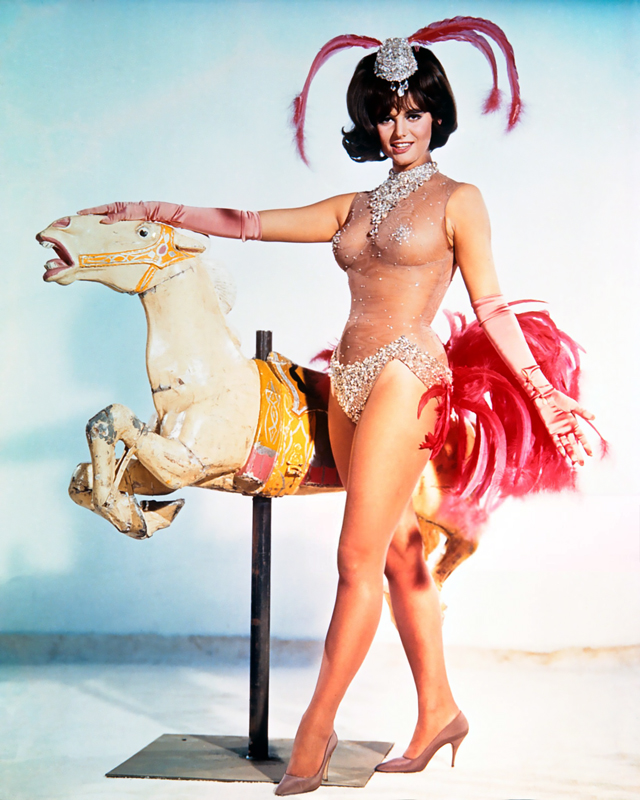
The Man Behind the Clothes

You’ve described Jean Louis as having a “subversive edge.” Where do you see that most clearly?

Certainly the dress he designed for Marilyn Monroe’s appearance at JFK’s birthday is the most subversive. A simple sheath designed to make Monroe look naked, in a political arena that would be televised and watched by the entire country, is, in our opinion, the most rebellious statement ever made in fashion history.

Jean Louis was a gay man working in Hollywood at a time when his private life required discretion. How do you think that shaped his experience of Hollywood, both personally and professionally?

We think it enormously shaped his design work. He understood the power of image, of projecting a facade to gain power, and how to use clothing to say the unsaid.

Jean Louis and Loretta Young had been friends and collaborators for decades before they married in 1993, after his wife Maggy died in 1989. What did their relationship tell you about Jean Louis that you couldn’t have learned from the clothes?

That he was fiercely beloved by his friends. Young met JL when he first moved to Hollywood, so their relationship spanned forty years.

Jean Louis married Loretta Young in August 1993. He was 85, she was 80. His wife Maggy, who had died four years earlier, had been Young’s close friend for more than fifty years, and Young had been wearing his clothes since the 1950s, when he made the gowns she swept through the door in each week on television. The marriage surprised almost everyone who knew them. Asked about it by Daily Variety, Young said only that they had known each other for so long, and that when something is right it simply slips into place.
The Images

Let’s talk about Gilda. That black satin gown has become almost bigger than the film itself. After everything you discovered about its construction and the circumstances around it, do you see that image differently now?

That gown is a marvel in restraint and the sexiest non-sexual garment ever made. The pairing of the JL gown with Hayworth’s charisma and the choreography of that scene just came together in such an explosive way that still reads today when you watch it.
The Legacy

The gowns themselves have now developed lives of their own. Marilyn’s dress, for example, sold for $4.8 million in 2016 and was worn by Kim Kardashian on the Met Gala carpet decades after Monroe wore it. What does it do to a designer’s legacy when the garment becomes more famous, and more valuable, than either the film or the man who created it?

It’s such a testament to JL’s work. Of course we understand that a lot of that dress’s value came from being worn by Monroe and the circumstances around it, but many of Monroe’s iconic garments sold for way less, so a lot of its value does come from the design itself. Monroe was redefining her 1950s image at this point and aligning herself with the cultural shift of the 1960s, so that dress works on so many different levels. It’s just genius.
RICHARD BERNSTEIN: STARMAKER

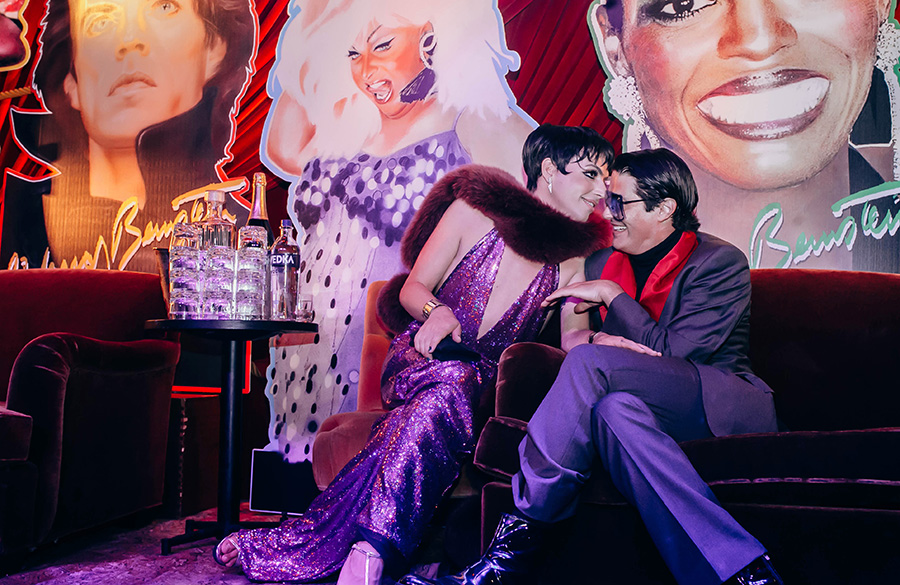
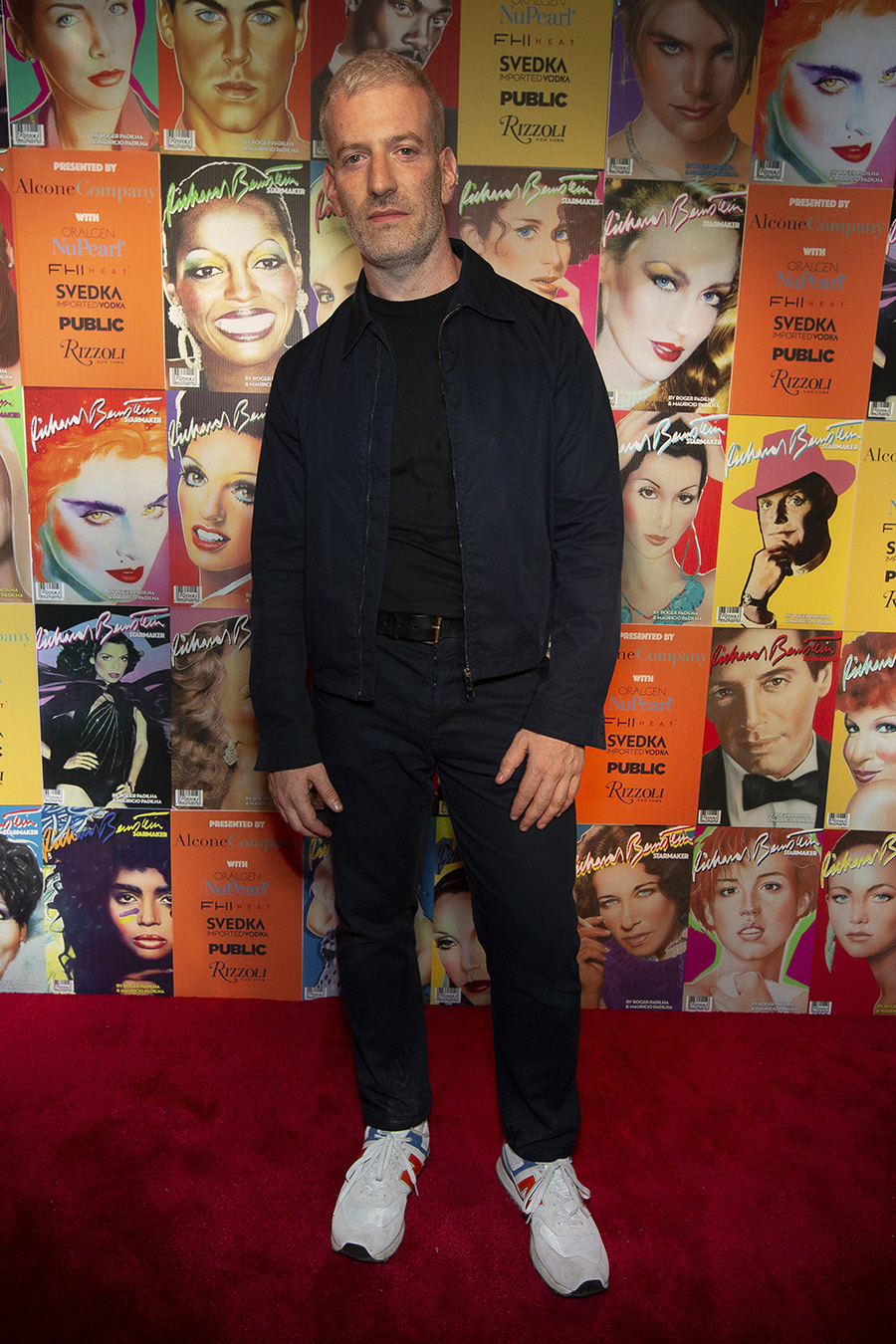
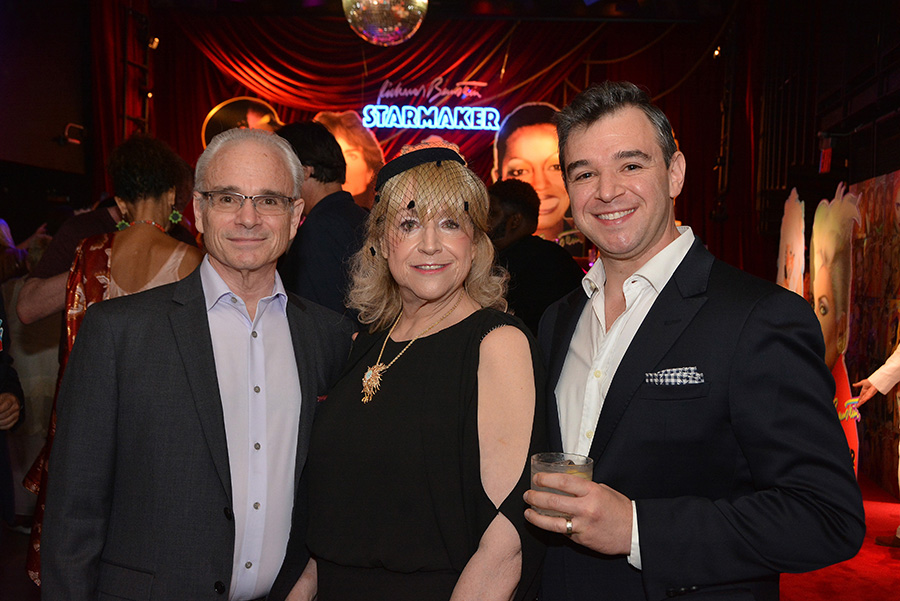
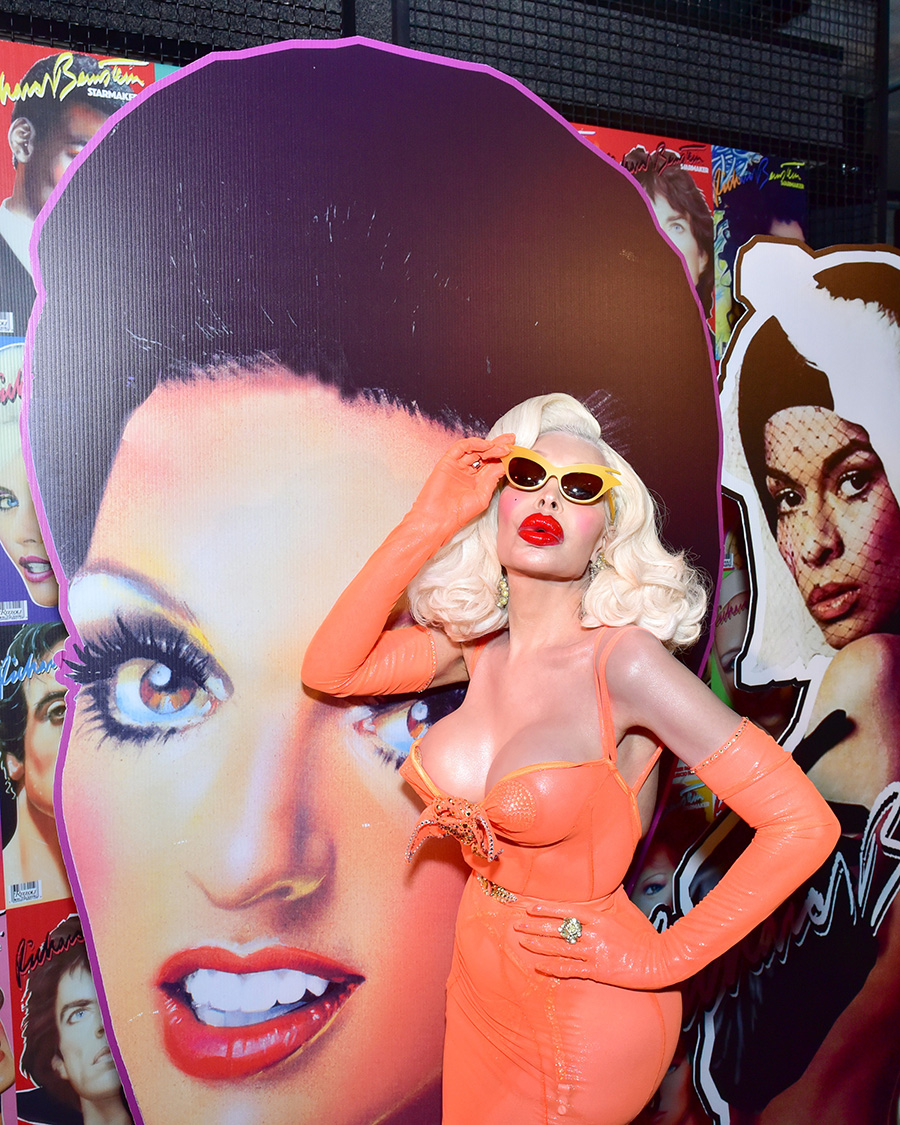
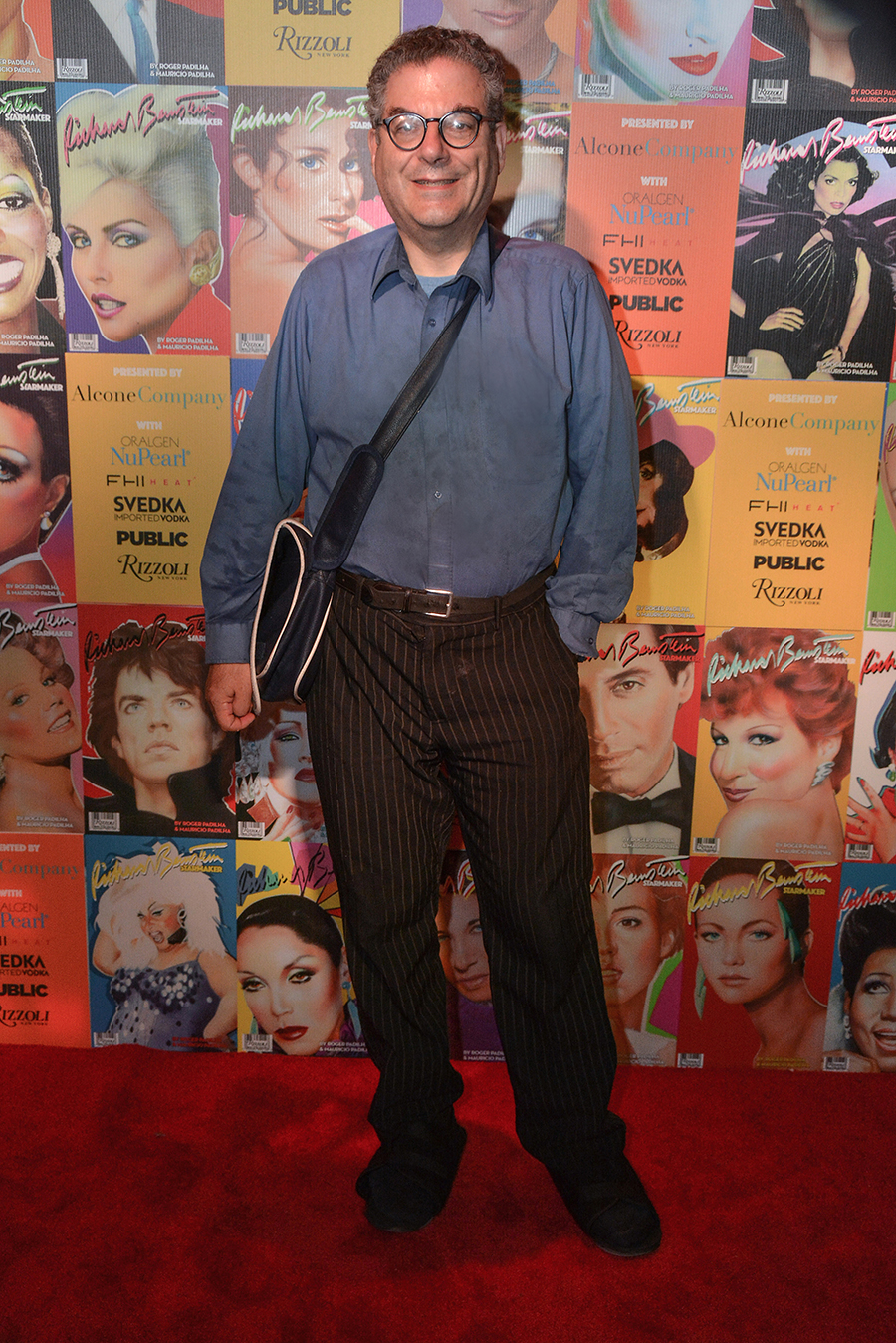
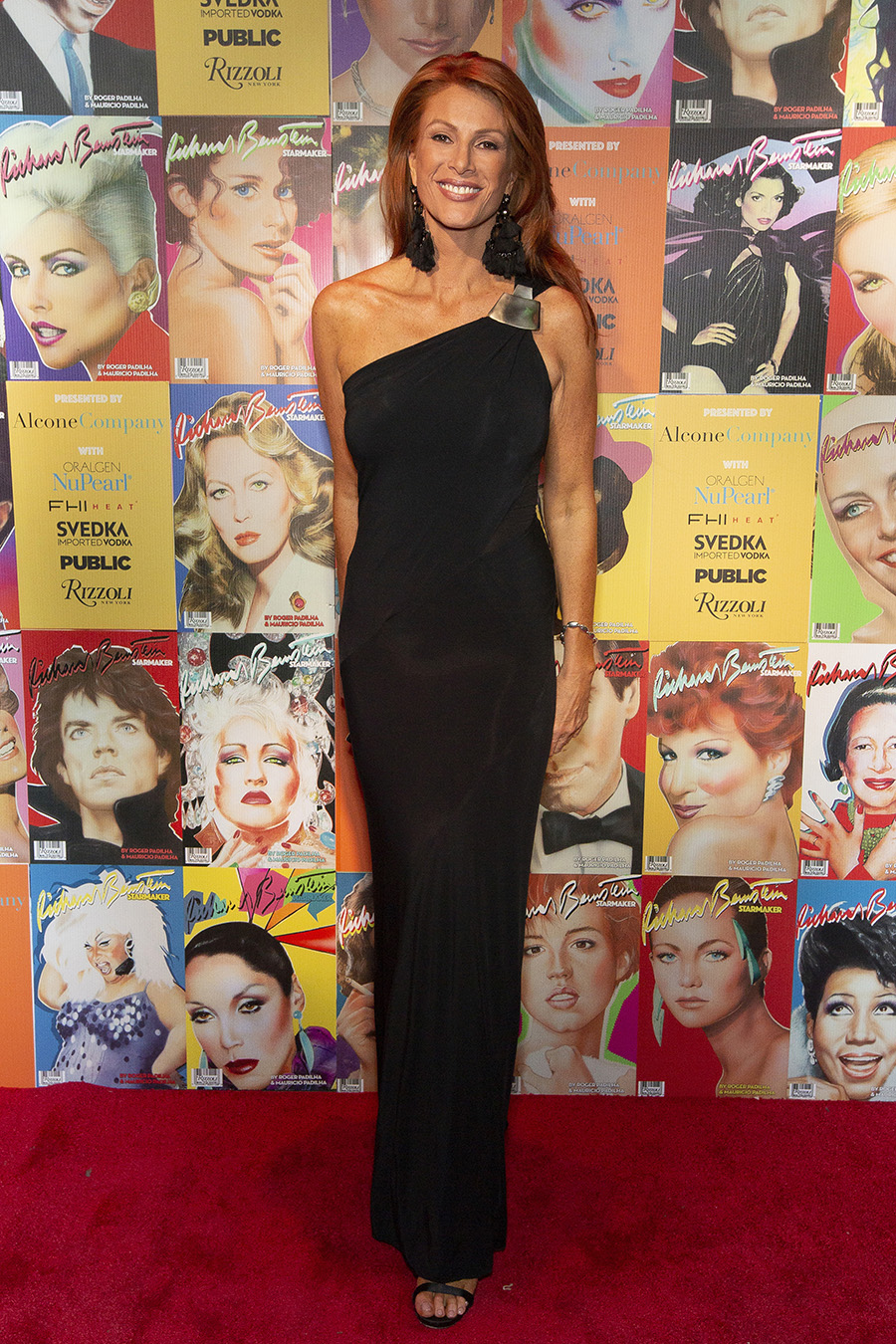
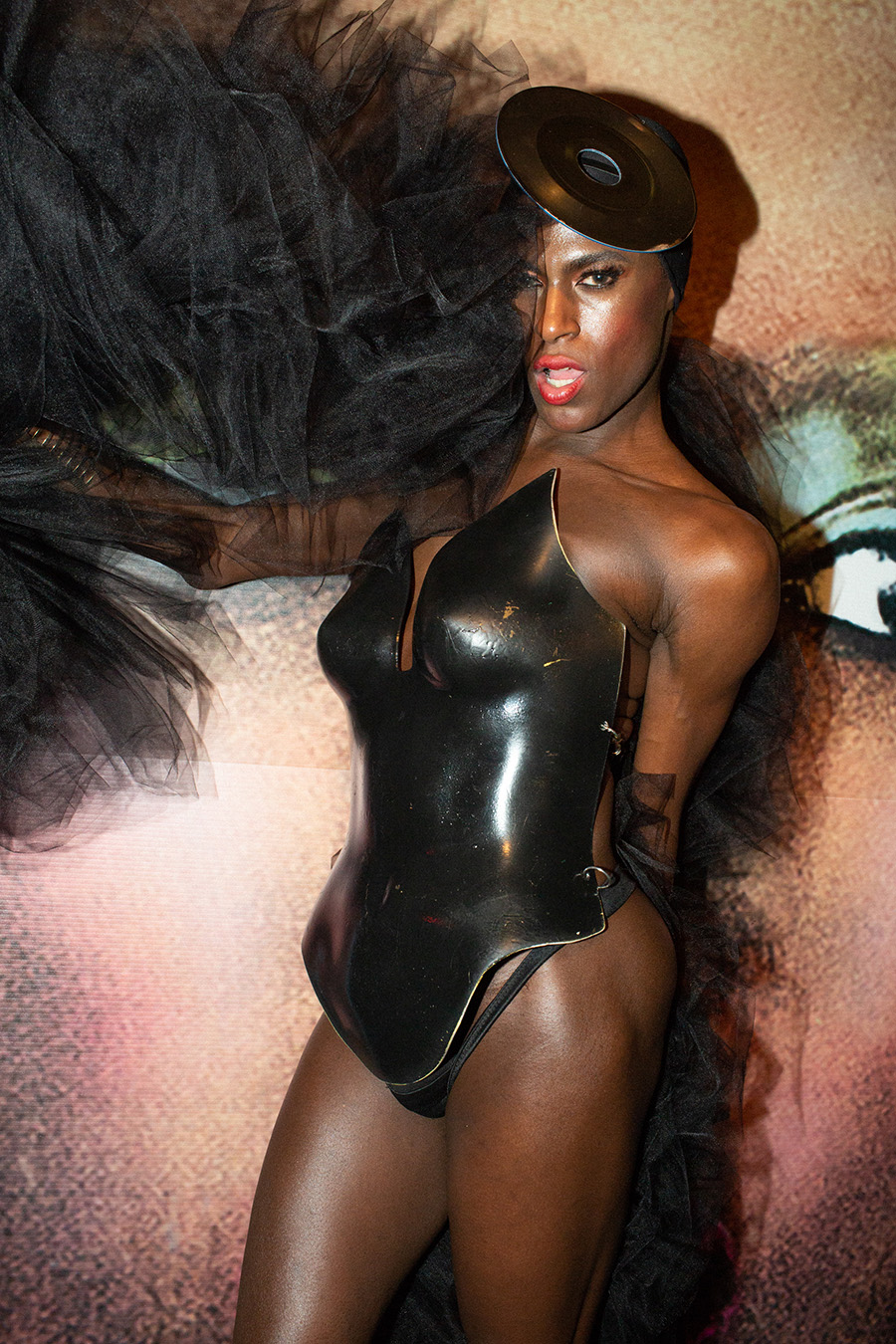
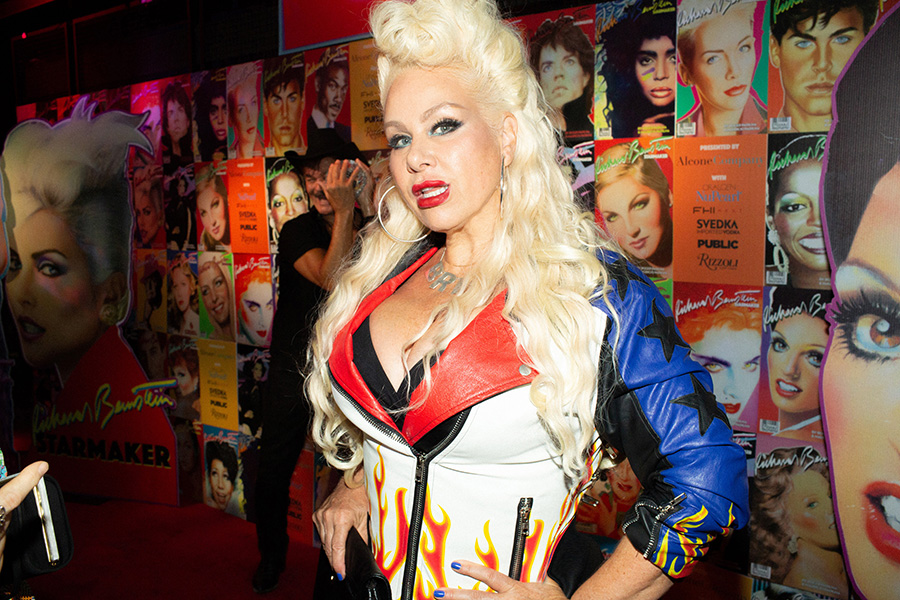
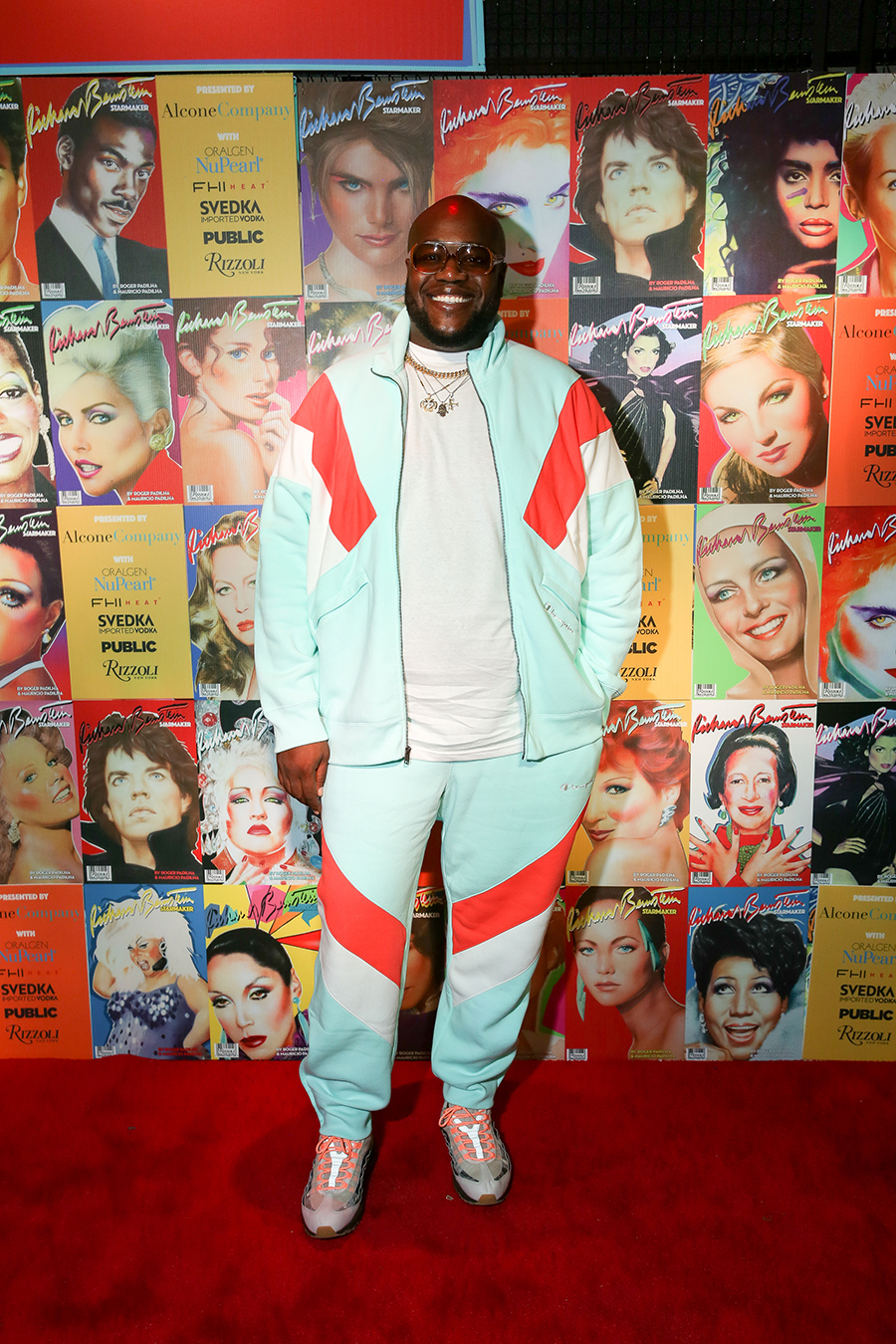
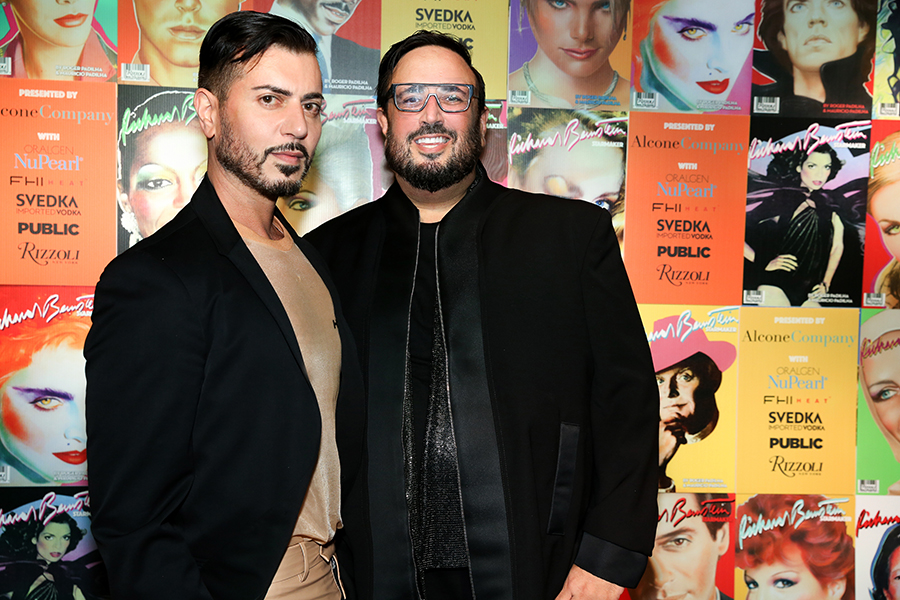
Kicking off New York Fashion Week, the Richard Bernstein: STARMAKER book launch party was celebrated at PUBLIC ARTS at Public in New York City earlier this month.

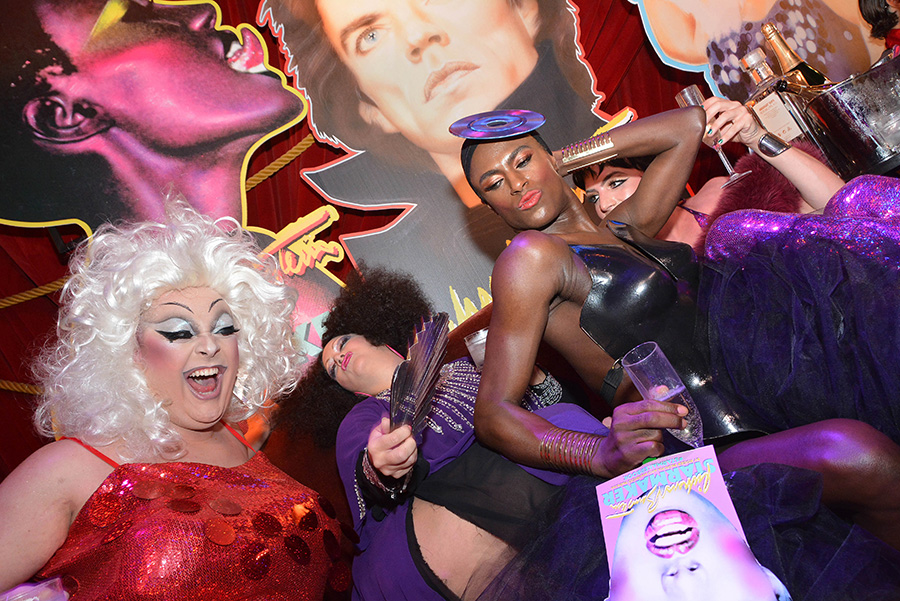
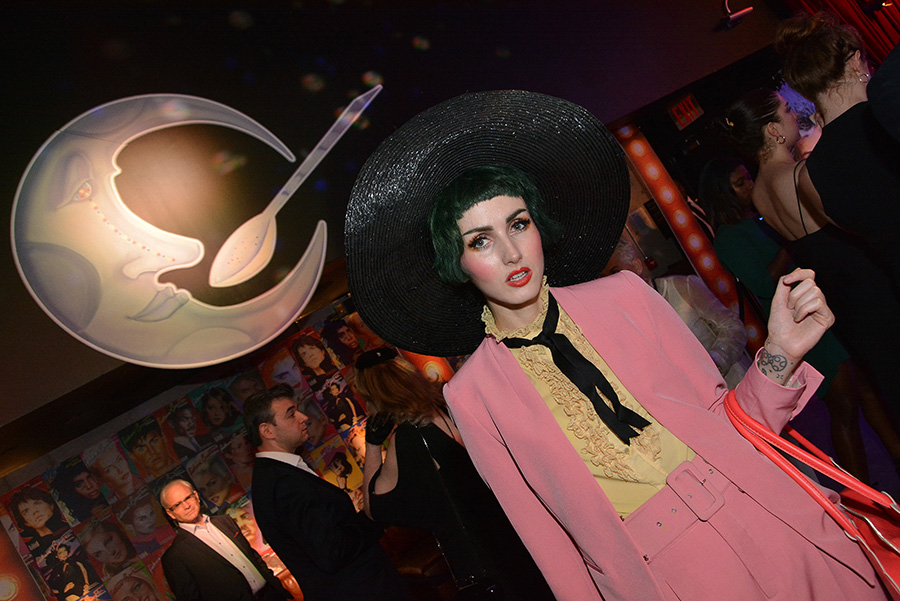
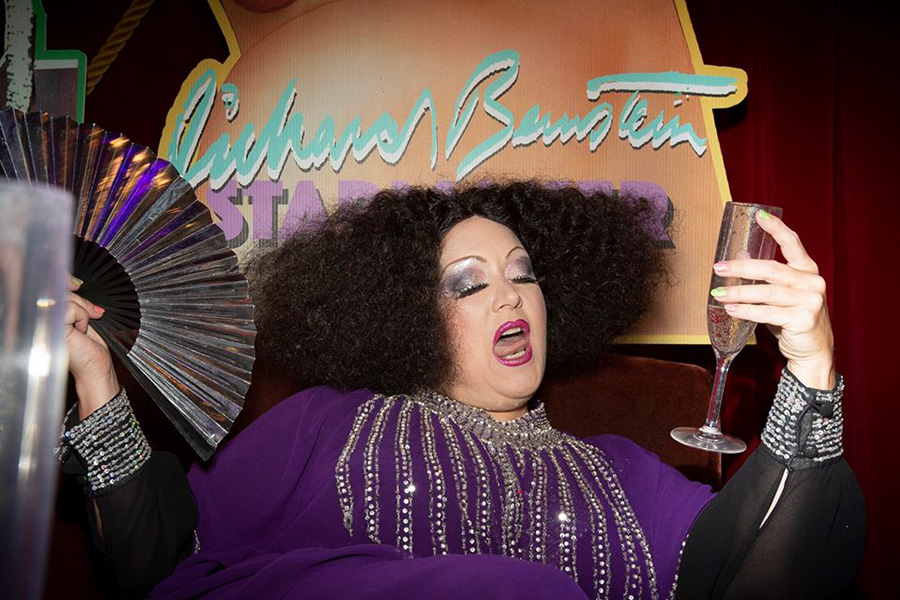
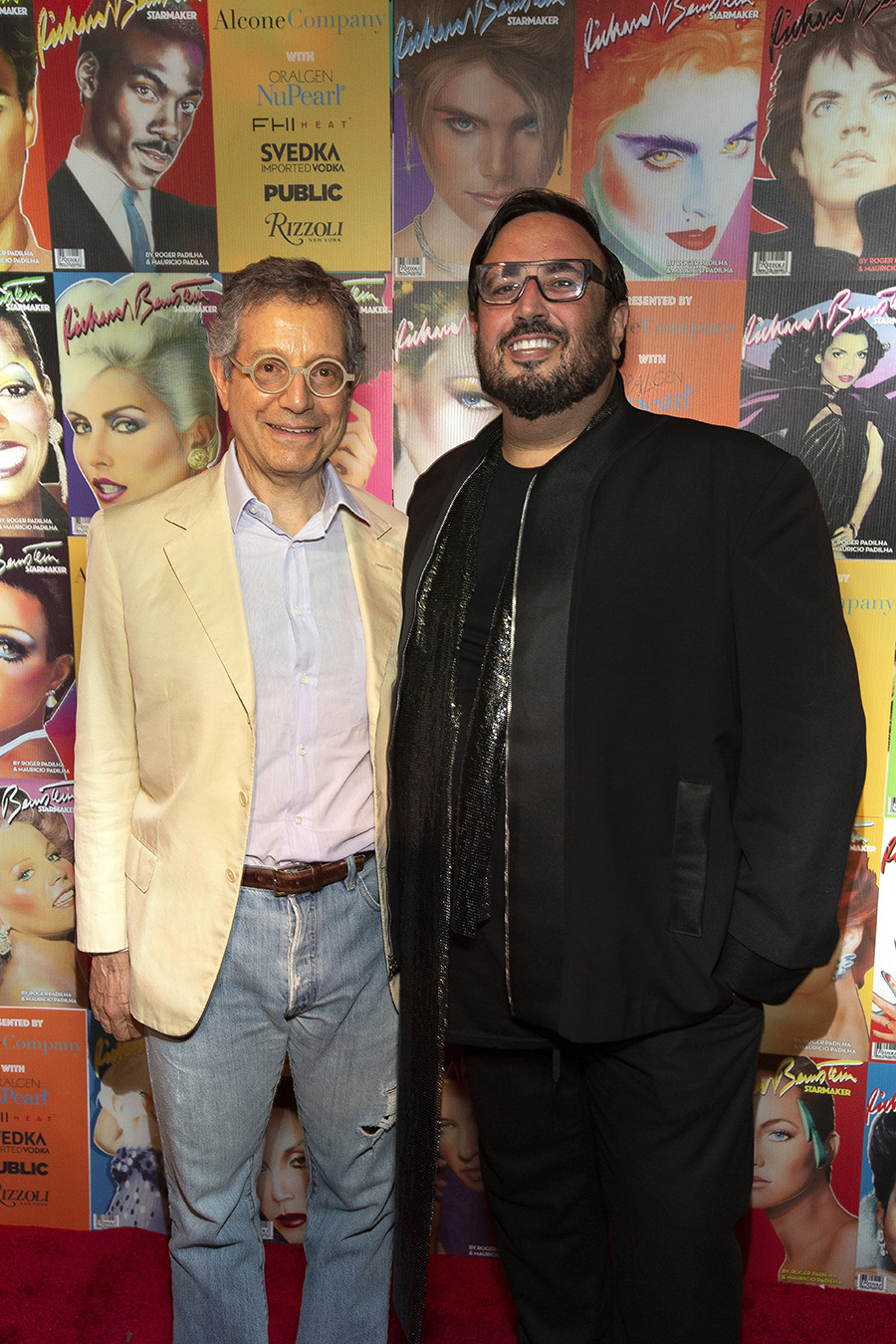
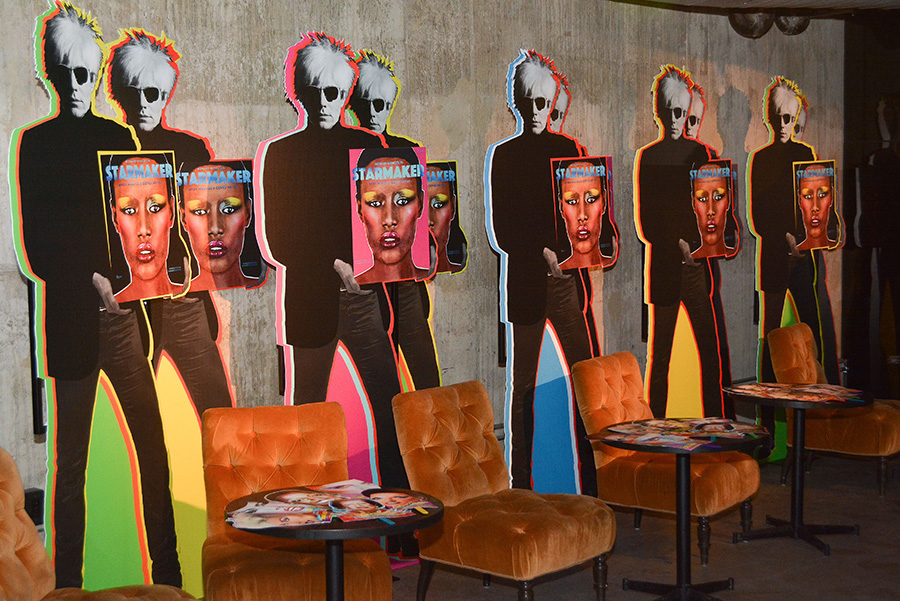
The venue walls were plastered with enlarged artwork of and cut outs of Interview Magazine covers spanning from 1972 to 1989. Legendary cover stars came to life on stage in a Studio 54 VIP Room setting while being catered to by a bevy of hunky bus boys. Performers who resembled Divine, Liza Minelli, Halston, Pat Ast, Jerry Hall and Grace Jones danced and partied the night away.

Celebrities in attendance were the creative director of the new Interview Magazine Mel Ottenberg, Pat Cleveland, Halstonette Karen Bjornson, famed Studio 54 publicist Carmen D’Alessio, Gaultier muse Stella Ellis, Angie Everhart, Amanda Lepore, Miss Jay Alexander, Dianne Brill, artist David Croland, Michael Musto, head of Warhol Enterprises Vincent Fremont and Jeffrey Deitch.

The private event was hosted by authors Mauricio and Roger Padilha whose book Richard Bernstein: STARMAKER Andy Warhol’s Cover Artist is now available in all major bookstores worldwide and is published by Rizzoli International Publications Inc. and presented by Alcone Company with FHI-Heat, Oralgen, Svedka and PUBLIC ARTS at Public.

Performers as Liza Minelli and Halston

Performers as Divine, Pat Ast, and Grace Jones

Stella Rose St. Claire

Mel Ottenberg, Stylist and Creative Director of Interview Magazine

John, Ellen, and Rory Trifon, family of Richard Bernstein

Jeffrey Deitch, art dealer and curator, and Mauricio Padilha, co-founder of  MAO Public Relations

Amanda Lepore.

Journalist Michael Musto

Angie Everheart, model and actress

Jonte Moaning, performer, dressed as Grace Jones

Dianne Brill, Queen of New York nightlife

Stylist Wouri Vice

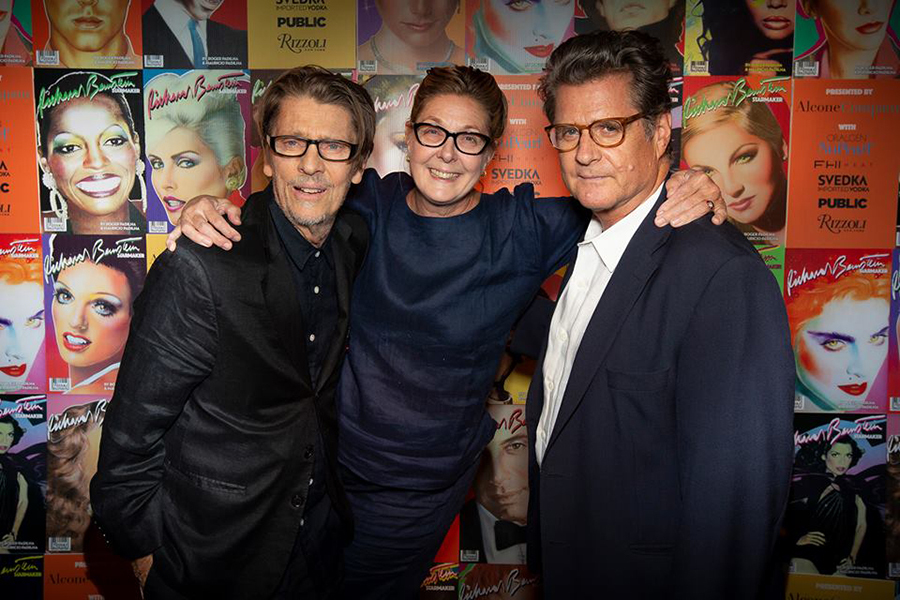
(left) Chris Makos, famed photographer, (center) Shelly Fremont, film director and producer, (right) Vincent Fremont, film producer and head of Warhol Enterprises

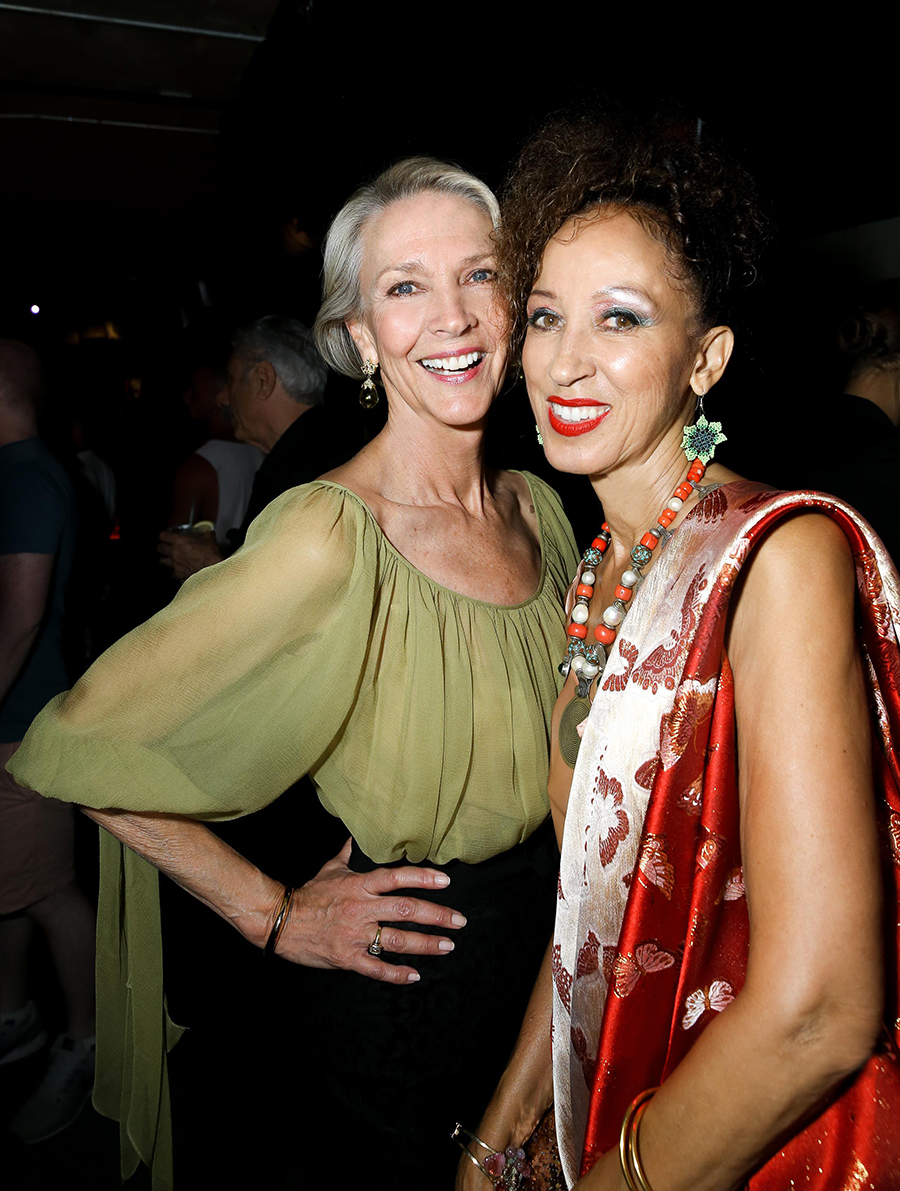
Legendary models Karen Bjornson (left) and Pat Cleveland (right)

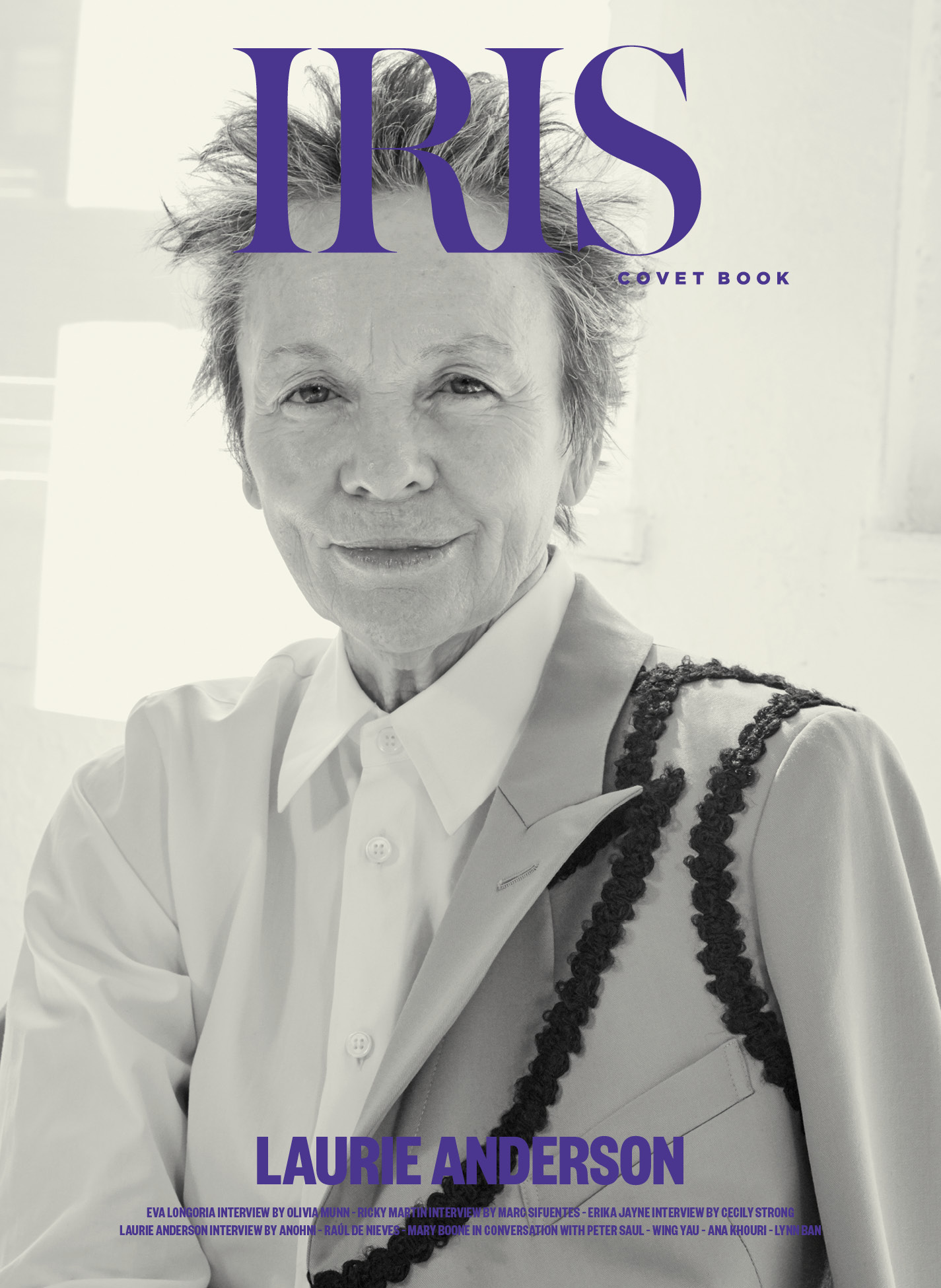
EXCLUSIVE: LAURIE ANDERSON BY ANOHNI

Shirt and Jacket  by Comme des Garçons Comme des Garçons

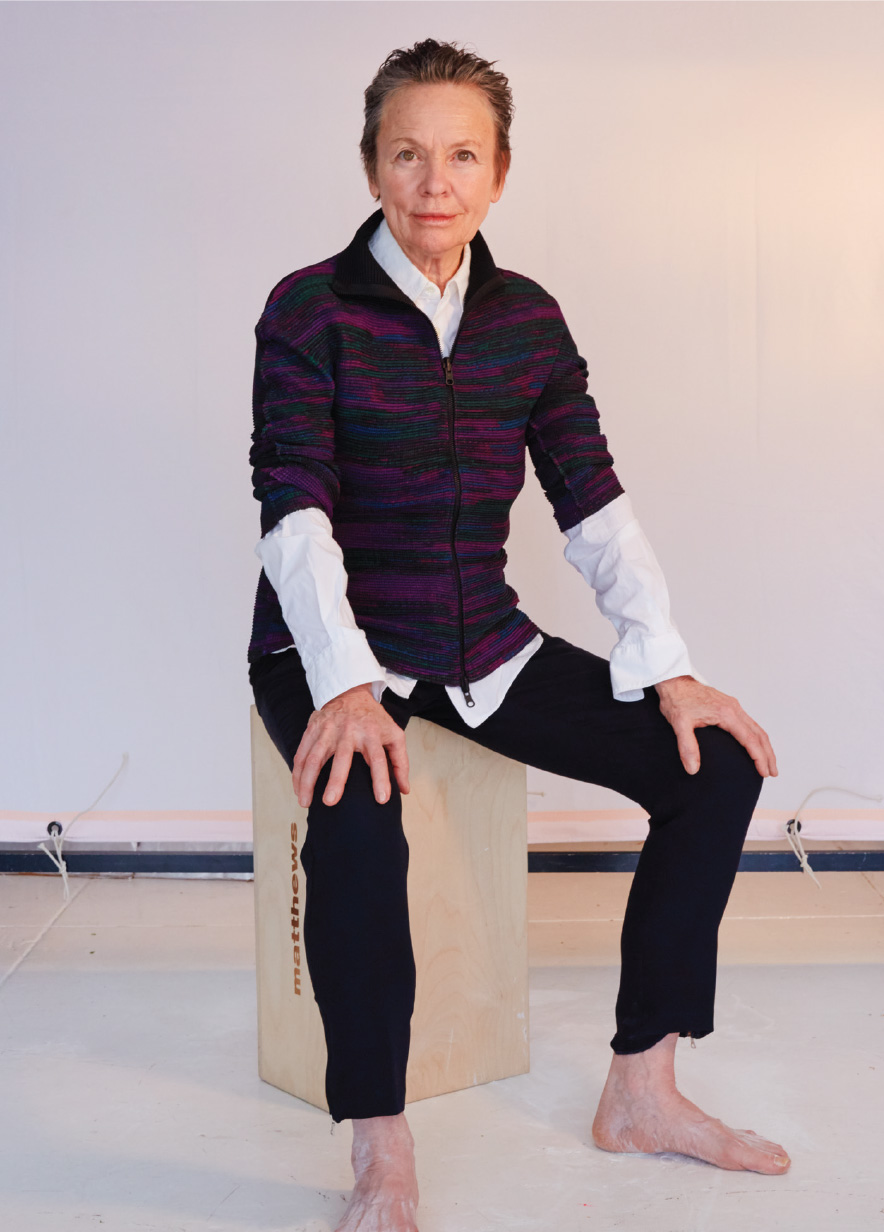
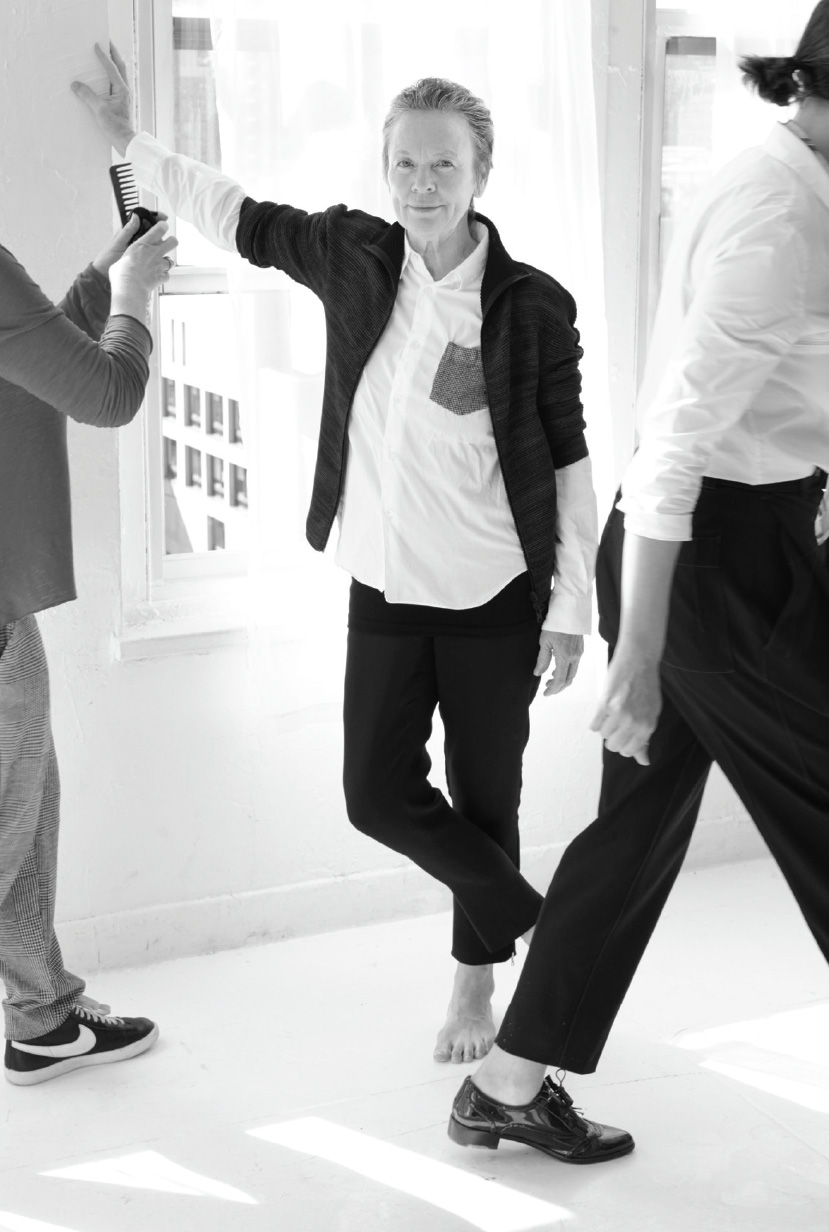
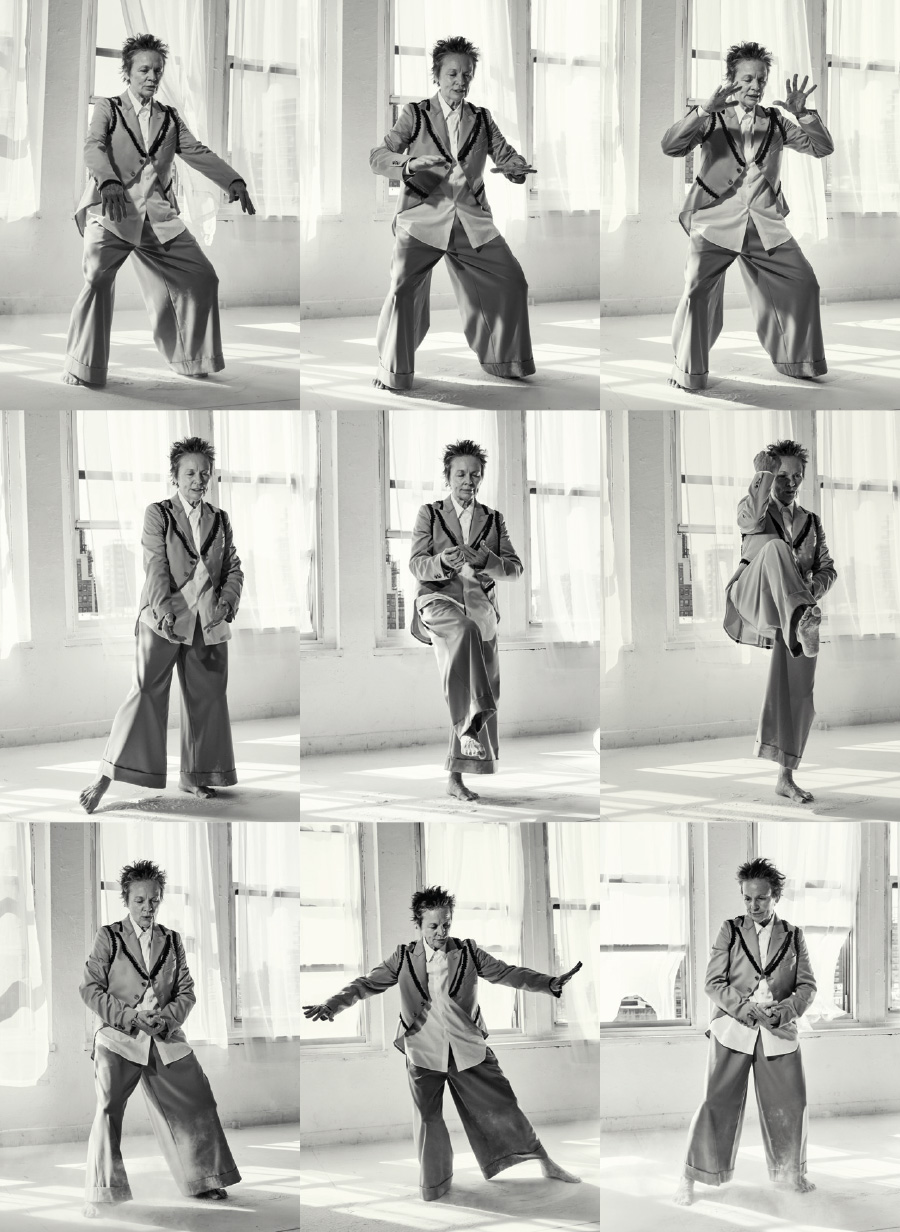
Photography by Jason Rodgers | Styling by Shala Rothenberg | Interview by Anohni

Famed artist, musician, director, and visual/sonic pioneer Laurie Anderson releases a new book and discusses her decades-long career with other-worldly talent Anohni.

Laurie Anderson’s retrospective book, All the Things I Lost in the Flood published by Rizzoli, chronicles her lengthy career in the world of art and music, marriage and collaborative career with the inimitable Lou Reed, and the power of books and language. Anderson’s artistry encompasses composing music, performance art, fiction writing, and filmmaking. A true polymath, her interest in new media made her an early pioneer of harnessing technology for artistic purposes long before the tech boom. Two years ago Anderson began looking through her archive of nearly forty years of work, which includes scores of documentation, notebooks, and sketchbooks.

In this exclusive interview for Iris Covet Book, Anderson speaks with a fellow pioneer. singer, composer, and visual artist Anohni, about art, VR (Virtual Reality), American culture, and the edge.

Hi Laurie, shall we begin? Going back and looking at the accumulated works of your long career, how did working on this book cast new light on your life’s work?

It cast a lot of light! I thought I was doing new projects one after another. As it turns out, I’m doing the same ideas. I can’t believe it. It wasn’t like psychoanalysis, but it was something close to it. I found a lot of things that were really shallow, too, that I put in the book anyway because I had thought at the time, as a young artist, that they were what art was about.

We’re working on a book of Lou’s early poems called Do Angels Need Haircuts?  There was one night in 1972 on St. Mark’s, he was reading his poems, and I realized that I was a couple of blocks away that night with my friend Lucy Lippard, the art critic. We talked endlessly about ‘the edge.’ That was really important to us. We’ve done too many images, too many colors and too many lines. What art is about now is how we see things. That’s what we felt. We were making things that called attention to the fact that we were paying attention. So this all was very meaningful at the time. You could write long, long essays on ‘the edge’, the edge between this reality and the other.

For me, it meant doing minimal sculptures. I was making things. And they looked pretty much like something you would see at any construction site, a piece of sheetrock leaning against a wall, or a line bisecting the room. And that’s what we talked about and that’s what gave meaning to our work. Now if you try to talk about that now, people don’t have the slightest idea what you’re talking about.

Was that conversation a foundation for what we’re talking about now? In terms of seeing multiple points of view? Intersectional thinking, spectral thinking… you were pioneering that.

John Cage was pioneering it when he said, “Everything is music.” Robert Morris was pioneering it when he said this cube is a work of art, this plywood cube, because it forces you to look at the edge and your displacement and your position versus it. It forces you to use your eyes.

Eventually I began to use images again, and I thought, “Am I going backwards?” But then I wasn’t bothered by it anymore. I no longer see my life as progress. I just see it as trying different things at different times. One art form isn’t truly more advanced than the other. I just came from a conversation about how sound works in virtual reality. How can you make music and sound that doesn’t have a beginning and an end? What does that stuff look like? That’s the way we’ve always made music through history… with a beginning, a middle, and an end. But our lives don’t work that way so much either. Mine doesn’t have a beginning, middle and an end. I was born at one point and I’ll die at one point. The stories of our lives just don’t have any plots. Mine doesn’t really have a plot.

The only thing I’m pretty sure of is that we are evolving towards complexity. We are not sliding back down the evolutionary scale, slowly becoming toads and single cell creatures.

Jacket by Issey Miyake, Shirt by Comme des Garçons, and Laurie’s own Morgan Le Fay Trousers.

Shirt by Comme des Garçons, and Laurie’s own Morgan Le Fay Trousers.

The series of drawings you did about the life and death of your terrier Lolabelle in the film you created Heart of a Dog are so beautifully illustrated. There was a strong sense of the space itself in those drawings, supporting the figures and objects. I loved that you brought the aesthetic of your hand drawings into VR. It’s markedly different from every other experience of VR that I’ve had.

It’s because it has dust in it and smudges, and also because we made the atmosphere out of tiny little letters, so you would be able to see the air. It was full of infinitely small, dust mote letters. Most VR is airless. It’s like going into this really sterile boardroom. Like there’s no atmosphere whatsoever.

In the new book, you refer to your work as a combination of narrative and visual language. How have your stories changed over time? What stories are you interested in telling today?

They haven’t changed that much. That’s another thing I realized. I’m a short story teller, and a short story can be a two-sentence story. And if you can get it done in two sentences, then just do that, because who has time?

It’s vivid, and our mind can wrap around it without moving through much time. I think it’s harder for 21st century people now to read, to sit down with Crime and Punishment and absorb all those atmospheres, all those characters, all those days, all those roads, and all those moods, stringing them together. We’re more visual than that now.

You were saying to me recently that you feel like film will soon be relegated to museums… and the future of popular storytelling will be in VR.

VR and MR.

What’s MR?

Mixed reality. I don’t know how to do MR, but I’m really interested in learning. These are lighter weight viewing devices, and of course everything will get lighter until there’s no weight to it at all and it’ll just be retinal. In MR you will have a glass on this table, exactly like this real glass, with the reflections from your computer and of your shirt in there, and it will move, but it won’t be there. It’ll be a virtual glass that is beyond real.

It’s really wonderful for disembodiment, which has always been my personal goal as an artist. To have no body, to fall into a work of art and not be able to get out, ever. Just fall into it. And you can fall into a book, too, identifying so much with the character.

You mentioned in the introduction that the book is about language in live performances, the difference between spoken and written words, the influence of the audience, the use of the first, second and third person voices, metaphor, politics, the story of dreams, songs, misunderstandings and the new meanings that are created when languages are translated. How do you think language can change the world?

I think it might be one of the only things that can change the world, that can really let you see it in another light. Like the wall we’re building between the U.S. and Mexico. It’s actually not a wall. The wall doesn’t exist yet, but the wall is so real in our minds and it’s such a contentious thing that it’s more than real. And you have to remember, the wall is just somebody’s idea. It’s a wall of words. People react to it as if it were a real wall. We’re already living in a virtual world, you know? It’s not there yet. We haven’t even collected the money to build it. So you have to remind yourself that we live in a fantasy world, a dream world, where half the things that we’re talking about don’t actually exist.

I think it’s supported by contemporary technologies and media. It’s almost a tenet of fascist propaganda, that if you say something five times it becomes real. And I think that’s very much what Trump did with the wall. He said it so often that it became a specter in our minds and imaginations. And that leads me to a question about mythology and storytelling. Do we have a moral responsibility to write other stories besides the ones that seem most likely to happen?

I think we have a moral imperative to tell stories that turn out better than we think they might.

Last December, the Sag Harbor Theater burned down. They asked a bunch of people to pick the film that they think best embodies American values. I picked American Psycho, and we screened it on Sunday. It was a little beyond the veil for people in South Hampton. Even after the Valentine’s Day massacre, they don’t want to tell the story of a white psycho-killer who wants to kill people because he just doesn’t have enough stuff. He doesn’t have it the way he wants it. Frankly, I find the most frightening part of that story was the way the guy treated women, the cartoony-ness.

It was really disconcerting. You tell the story that you feel like telling. To me, American Psycho is very representative of what people love in this country: status and beautiful things and power and lording it over other people, and men being these absolute creeps. The prostitution was the thing that bothered me most. That was much more horrifying than the cartoony, meat-chopper stuff. People reacted to the chainsaw stuff because it’s horrible. He grabs a woman’s leg and tries to eat it. But the truly scary stuff were the things that were very real to me, which is the dismissive way that these hedge funders were talking about women, saying, “Have you ever seen an intelligent woman? I haven’t.” But people didn’t see that part of the film, because that’s so much a part of the culture.

Is this kind of storytelling the same thing as myth? In one way, it’s a discourse talking metaphorically about what’s happening. But does it reach even deeper than that?

Think of the Greeks – —Medea, Electra…all about hacking the head off your mother and eating the bones. I mean, horror movies are Greek. They’re really Greek. They’re about the hatred and rage we feel towards each other, particularly the rage towards mothers and fathers. So those are our DNA stories. But then you have these stories about heaven and particularly the ones that are trying to convince you to behave in a certain way. I don’t think they’re so much about morality or rules. I think they’re about time, ways to explain time to people, where you came from. Where are you going to go after you die? You’re going to go to heaven or you’re going to go to Nirvana or you’re going to stay in the cycle of suffering, or you’re going to be with a bunch of virgins. Time is the biggest mystery to us.

When the Christians concocted the ascent to heaven and the final coming and fire and brimstone, that was all a projection into the future.

I think it’s not very clear, because they disguised a story as something that is about human personality, and then distorted it to punish people for being bad people, because that’s the other important part of the myth. There’s something very wrong with you, and you were born with something wrong with you, and you’re going to be punished unless you do this. And that gets various shadings, like the King James Bible, for example. Jesus had always been in the Christian Bible referred to as Master or Teacher. King James wrote his Bible, and he paid for this Bible. It was the first time Jesus was called King of Kings, Lord of Lords. He became a secular, powerful person, not a teacher.

So everyone is using these structures and these stories for their own ends to get what they want, particularly power. That’s what religion mostly has come down to. It’s about control.


Shirt, Jacket and Trousers by Comme des Garçons Comme des Garçons

Shirt, Jacket and Trousers by Comme des Garçons Comme des Garçons

Did it work? Did they get that control through the use of story? Or did the story tell of the power that they had already acquired? Is there a power in storytelling that can define the future, or even form the future?

Sure. That’s why I think women telling different stories is fantastic. Even in American Psycho, some of the greatest shots were the reaction shots of the women. Everyone is focusing on the men. But these cameras pan over to the women and they’re going, “What? Can you believe this asshole?” They’re not saying anything, but you can see it, it’s fantastic. This silent language of this woman filmmaker is telling a very different story. She’s telling it on a bunch of different levels. It’s a really complicated film.

Today, marginalized groups are sharing their narratives to ever increasing and attentive audiences. How has this recent cultural phenomena affected your work and your outlook on the work you’ve done?

When I was a young artist in the early ‘70s, I was part of a group of women artists. I joined it because I thought “OK, finally a group of people are joining together because we have different things to say than men,” and we do. But what was the focus of it? How to get into galleries. And I understand that on a professional level, but that’s not what I was there for. I was trying to find commonality with this group and be part of something.

And this was at the same time as separatist inclinations in various self-advocacy groups nationally. But you’re sort of describing a scene downtown that was more utopian.

I hope I’m not painting it as something it wasn’t, but I have some great memories of how much we did help each other. We saw ourselves as workers, somehow. That was the main thing. There were a lot of things that had opened people up in ways that were pretty wild. A lot of drugs around, a lot of sex, a lot of fun. Helping each other on every level. As soon as money came into it, things changed. We never thought we would make a dime from our work. That was the furthest thing from our minds. We all had little jobs, and you didn’t need that much money either. That’s another very important point. You needed almost nothing. You didn’t think about it.

I’m thinking about a photo of you in the book, standing in a crowd playing the violin. You’re talking about not really aspiring to get into galleries, as much, and there you were sort of just outdoors being scrutinized by these gangs of passersby. That image just reminded me of some of the stories you’ve told me of things you’ve done over the years, hitchhiking to the North Pole, just being out there in the wind.

Yeah. I did always want to get out, that’s for sure. I wanted to be part of an art world. But not one that was chummy, more that was supportive. So I was lucky enough to hit that NYC wave at the right moment.

For young artists, where do we go from there? How do we move forward?

To a young artist today, I would say “Don’t listen to me.” That would be number one. Each person finds it for themselves, and that’s the whole great thing about this. No one can tell you what it is. It’s your responsibility to find it. We have a million roads out from here, as many roads as there are artists to follow them. So question all sorts of things, even the idea of progress itself.  One of the things I’m interested in, as you are as well, is the ends of stories and what happens. So I asked my meditation teacher, “What happens to karma when there’s no one to embody your karma, and the whole system, the great dharma wheel, crashes?” It’s built on continuity and giant eons of time, the big wheels of time. So when that wheel stops and we’re not on it anymore, what happens? And he said that’s why the Buddha talked about other universes. I just loved that so much. It was so freeing to me.

It’s a kind of independence.

It’s your freedom to go anywhere and to realize that the rules are idiotic. I mean, maybe that’s one thing I would say, is that there are no rules, so don’t worry about that part. There are zero rules. It’s hard to be free.

Pants by Issey Miyake, T-Shirt by Tai Chi, and Laurie’s own gloves and jewelry.

Hair by Elsa Canedo Using Kerastase, Makeup by Kento Utsubo, Photo Assistant Jordan James, Special Thanks to Rizzoli. Laurie Anderson: All the Things I Lost in the Flood, Available on rizzolibookstore.com